What to Do Immediately After a Car Accident

Search Lab Digital • October 29, 2026


A car accident can happen in seconds, but what you do immediately afterward can affect your safety, insurance claim, and vehicle repair process. Even a minor collision can leave you feeling uncertain about what steps to take next.

Knowing what to do after a car accident can help you stay calm, document the incident properly, and protect yourself from additional problems. Once everyone is safe, getting your vehicle professionally inspected is also important because collision damage is not always visible from the outside.

Follow these steps after an accident to protect yourself, your passengers, and your vehicle.


1. Stop Your Vehicle and Check for Injuries


Never leave the scene of an accident. Bring your vehicle to a stop and check yourself and your passengers for injuries.

If anyone appears injured, call 911 and request emergency medical assistance. Avoid moving someone who may have a serious injury unless remaining in place puts them in immediate danger.

Your health and safety should always come before concerns about vehicle damage, insurance, or repairs.


2. Move to a Safe Location When Possible


If the accident is minor, there are no serious injuries, and your vehicle can be moved safely, getting out of active traffic can help prevent another collision.

Turn on your hazard lights and move to a nearby shoulder, parking lot, or other safe location when appropriate. If the vehicle cannot be driven or moving it would be unsafe, remain somewhere protected and wait for emergency responders.

Do not attempt to drive a badly damaged vehicle simply because it still starts. Collision damage can affect wheels, steering, suspension, sensors, and structural components that may not be immediately noticeable.


3. Contact the Police


Depending on the severity and circumstances of the accident, contact local law enforcement. An officer can help secure the scene, document what happened, and create an official accident report when applicable.

When speaking with an officer, explain what happened clearly and accurately. Avoid guessing about details you cannot remember.

Before leaving the scene, determine how you can obtain a copy of the police report or accident information. Your insurance provider may request this documentation later.


4. Exchange Information With the Other Driver


Exchange important information with every driver involved in the collision. You will generally want to collect the driver's name, contact information, driver's license information, insurance provider, policy information, license plate number, and vehicle details.

Keep the conversation calm and focused on exchanging information. Avoid arguing over who caused the accident or making statements about fault.

If there are witnesses, consider asking for their names and contact information as well. Their account of the collision could become useful if questions arise later.


5. Take Photos and Document the Accident Scene


Your phone can be one of your most useful tools following a collision. Take clear photos or videos of the accident scene when it is safe to do so.

Document damage to every vehicle involved, vehicle positions, license plates, traffic signals, nearby signs, road conditions, skid marks, debris, and other details that may provide context.

Take several photos from different distances and angles. It is better to have documentation you do not need than to discover later that you missed an important detail.

You should also write down what you remember about the accident while the events are fresh in your mind.


6. Determine Whether Your Vehicle Is Safe to Drive


A car can look relatively normal after an accident while still having significant underlying damage. Modern vehicles contain sophisticated structural components, sensors, cameras, and driver assistance systems.

Damage to the frame, suspension, wheels, alignment, or safety technology may not be obvious during a quick roadside inspection.

If you hear unusual noises, see leaking fluids, notice warning lights, experience steering problems, or have any reason to question the vehicle's safety, do not drive it.

General Collision Center recommends having a questionable vehicle towed and inspected rather than taking an unnecessary risk. A professional inspection can identify visible damage as well as signs of potential structural or safety concerns.


7. Understand Your Insurance and Repair Options


After documenting the accident, you will need to decide how to handle the damage and whether to file an insurance claim.

Your coverage, deductible, accident circumstances, and estimated repair costs can all influence that decision. For relatively minor damage, the cost of repairs may sometimes be close to the driver's deductible.

General Collision Center works with all major insurance companies and can assist with repair documentation and communication during the claims process. The shop also offers direct-pay options for customers who decide not to file an insurance claim.

If you are unsure how to proceed, learn more about insurance claims assistance.


8. Choose a Qualified Collision Repair Center


Selecting the right auto body shop is an important part of restoring your vehicle after an accident.

A collision repair facility should be capable of addressing more than cosmetic dents and scratches. Depending on the impact, your vehicle could require frame straightening, structural restoration, bumper repair, refinishing, wheel repair, paint matching, or other specialized work.

General Collision Center provides full-service collision repair for all makes and models. Its services include auto body repair, paint services, dent and scratch removal, frame straightening, bumper repair, wheel repair, and insurance claims assistance.

Drivers can explore collision repair services to learn more about available repair options.


9. Get Your Vehicle Professionally Inspected


Never assume a small dent means you only have minor damage. The exterior of a vehicle can hide problems underneath panels and bumpers.

A professional collision inspection helps determine the extent of visible damage and can identify signs that additional investigation is necessary. If hidden damage is discovered after repairs begin, the repair facility may need to update the estimate and coordinate additional work with the insurance provider.

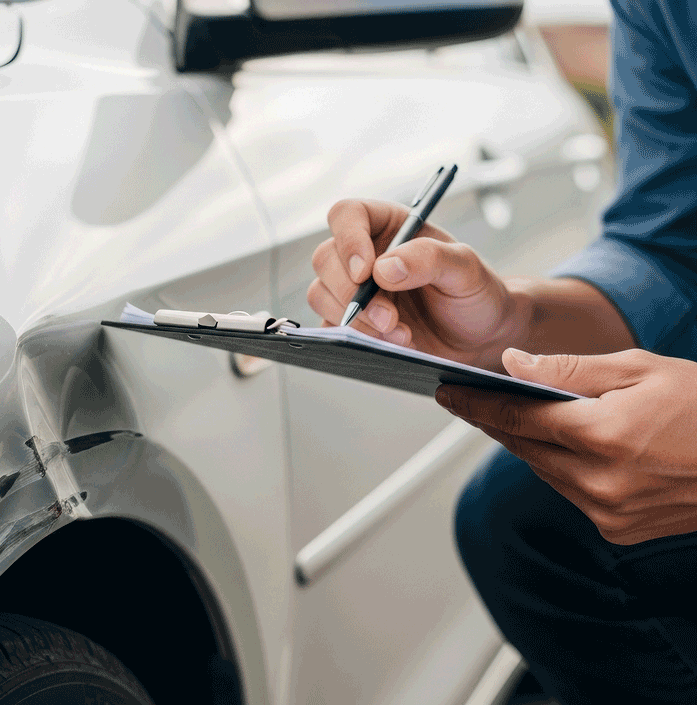
General Collision Center offers free, no-obligation collision repair estimates. The team inspects the vehicle's visible exterior damage, looks for signs of structural or safety concerns, documents damaged areas, and explains the recommended next steps.

Ready to find out what your vehicle needs? Get a free collision repair estimate.


10. Start the Collision Repair Process With Confidence


Once you have dealt with the immediate aftermath of the accident, the next priority is getting your vehicle repaired correctly and safely.

General Collision Center helps simplify that process by providing professional collision repair, insurance coordination, rental car assistance for qualifying policies, and clear communication throughout the repair. The company services all makes and models and backs its repairs with a limited lifetime warranty on covered parts and labor for as long as the customer owns the vehicle.

With locations serving drivers in Baltimore and Camp Springs, General Collision Center is ready to help when an unexpected accident disrupts your day.

If you have been involved in an accident, do not wait to find out what your vehicle needs. Request your free collision repair estimate or find a General Collision Center location near you.


Call General Collision Center at (443) 478-5000 today to speak with a collision repair specialist and take the next step toward getting safely back on the road.
By Search Lab Digital • October 29, 2026
 Your vehicle’s paint does more than create a polished appearance. It also protects the body from moisture, road debris, corrosion, and everyday wear. When scratches, chips, fading, or collision damage affect the finish, choosing the right repair method can help restore your vehicle while avoiding unnecessary work. Two common options are spot paint repair and a full repaint. Spot repair focuses on a limited damaged area, while a full repaint provides a new finish across the entire vehicle. Which option makes sense depends on the location, severity, and extent of the paint damage. If you are trying to decide between spot paint repair vs a full repaint, understanding the differences can help you make a more informed choice. What Is Spot Paint Repair? Spot paint repair is a refinishing technique used when paint damage is confined to a relatively small area. Rather than repainting the entire vehicle, a technician repairs the affected section and carefully blends the new paint with the surrounding finish. Spot repair may be appropriate for minor scratches, localized scuffs, small chips, and other limited cosmetic damage. Professional technicians can use manufacturer paint information and color-matching technology to achieve a close match with the vehicle’s existing finish. At General Collision Center, spot and panel repairs are among the professional paint services available for vehicles with localized damage. What Is a Full Vehicle Repaint? A full repaint, sometimes called a complete respray, involves refinishing the entire exterior rather than concentrating on one damaged section. This more extensive process can make sense when paint problems affect numerous panels or much of the vehicle. Widespread fading, oxidation, extensive collision damage, or a badly deteriorated finish may make repairing individual areas impractical. Preparation is an important part of a complete repaint. The vehicle’s surfaces need to be properly prepared before new paint and protective finishing layers are applied. The goal is to create a consistent appearance across the entire vehicle while restoring exterior protection. When Is Spot Paint Repair the Better Choice? Spot paint repair is generally best when the damage is minor and contained. For example, a scrape on one portion of a bumper or a scratch affecting a small section of a door may not justify repainting the whole vehicle. Choosing a localized repair can reduce the amount of refinishing work required. Depending on the damage, that can mean a more efficient and cost-effective repair. The key is determining whether the surrounding paint is still in good condition. If the rest of the finish has maintained its color and gloss, an experienced technician may be able to blend the repaired section into the surrounding area for a seamless appearance. When Should You Consider a Full Repaint? A full repaint becomes more practical when paint problems are widespread rather than isolated. Vehicles that have spent years exposed to sunlight and weather can develop fading or oxidation across several panels. Major collision damage may also require repairs and refinishing in multiple areas. In these situations, addressing one spot at a time may produce inconsistent results or simply fail to solve the larger problem. A complete repaint provides uniform color and renewed exterior protection. General Collision Center offers full resprays when the condition of a vehicle makes localized repairs insufficient. Not sure how extensive your vehicle’s damage is? Request a free collision repair estimate for professional guidance. How Does Paint Matching Affect Spot Repairs? Paint matching is one of the most important parts of professional spot paint repair. Simply finding a paint with the same general color is not enough. Vehicle manufacturers use specific paint codes, but age, sunlight, weather, and previous repairs can affect how a finish looks over time. This is why professional repair involves more than selecting a factory color and applying it directly to the damaged area. General Collision Center uses color-matching technology and manufacturer paint codes to help repaired areas blend with the rest of the vehicle. Proper blending can make the transition between repaired and original surfaces far less noticeable. Is Spot Paint Repair Cheaper Than a Full Repaint? In many cases, spot paint repair can cost less because technicians are working on a smaller area. However, there is no single price that applies to every vehicle. Repair costs can vary based on the size and depth of the damage, the panels involved, the type of paint, necessary preparation, and whether underlying body damage also needs attention. A full repaint naturally involves significantly more surface area, materials, preparation, and labor. Still, if damage is spread across the vehicle, a complete repaint may make more sense than performing numerous individual repairs. A professional inspection is the best way to determine which approach offers better value for your specific vehicle. Why You Should Not Ignore Damaged Automotive Paint It can be tempting to ignore a small scratch or chip, especially when the vehicle remains perfectly drivable. However, automotive paint has an important protective function. When damage penetrates the protective finish and exposes metal underneath, moisture and oxygen can contribute to corrosion. Road salt and changing weather conditions can make exposed surfaces particularly vulnerable. Addressing paint damage early can help prevent a relatively minor cosmetic problem from becoming a more complicated body repair later. It also helps maintain your vehicle’s appearance and may contribute to preserving its resale value. What About Paintless Dent Repair? Not every dent requires paint repair. If a vehicle has a small or moderate dent but its paint remains intact, paintless dent repair, commonly called PDR, may be an option. PDR uses specialized tools and techniques to reshape a damaged panel without repainting it. Because the original finish remains untouched, it can be an efficient solution for qualifying door dings, hail dents, and minor impacts. If the paint has cracked or the panel is significantly damaged, conventional body repair and refinishing may be necessary instead. General Collision Center can inspect the damage and recommend an appropriate repair method. Explore the shop’s auto body repair services to learn more. How Do Professionals Choose the Right Paint Repair? The decision between spot repair and a full repaint should be based on the actual condition of the vehicle, not simply the size of the most obvious scratch. A professional inspection can consider the depth of the damage, condition of the clear coat, number of affected panels, existing fading or oxidation, underlying body damage, and the ability to blend new paint with the existing finish. This is especially important after a collision. Damage that appears cosmetic at first may be accompanied by dents, panel deformation, alignment issues, or other concerns that require additional attention. General Collision Center offers free professional damage assessments and can explain the recommended repairs before work begins. Get Professional Car Paint Repair at General Collision Center When comparing spot paint repair vs a full repaint, the best choice comes down to the condition of your vehicle. Spot repair can be an excellent solution for localized scratches, chips, and scuffs, while a complete repaint may be better for widespread fading, oxidation, or extensive damage. General Collision Center provides professional paint repair and refinishing for all makes and models. The team offers factory-match paint, professional refinishing, collision repair expertise, and a limited lifetime warranty on its paint and body labor. Do not let damaged paint continue to affect your vehicle’s appearance and protection. Get a free repair estimate from General Collision Center or explore professional car paint repair services to get started today.
By Search Lab Digital • October 29, 2026
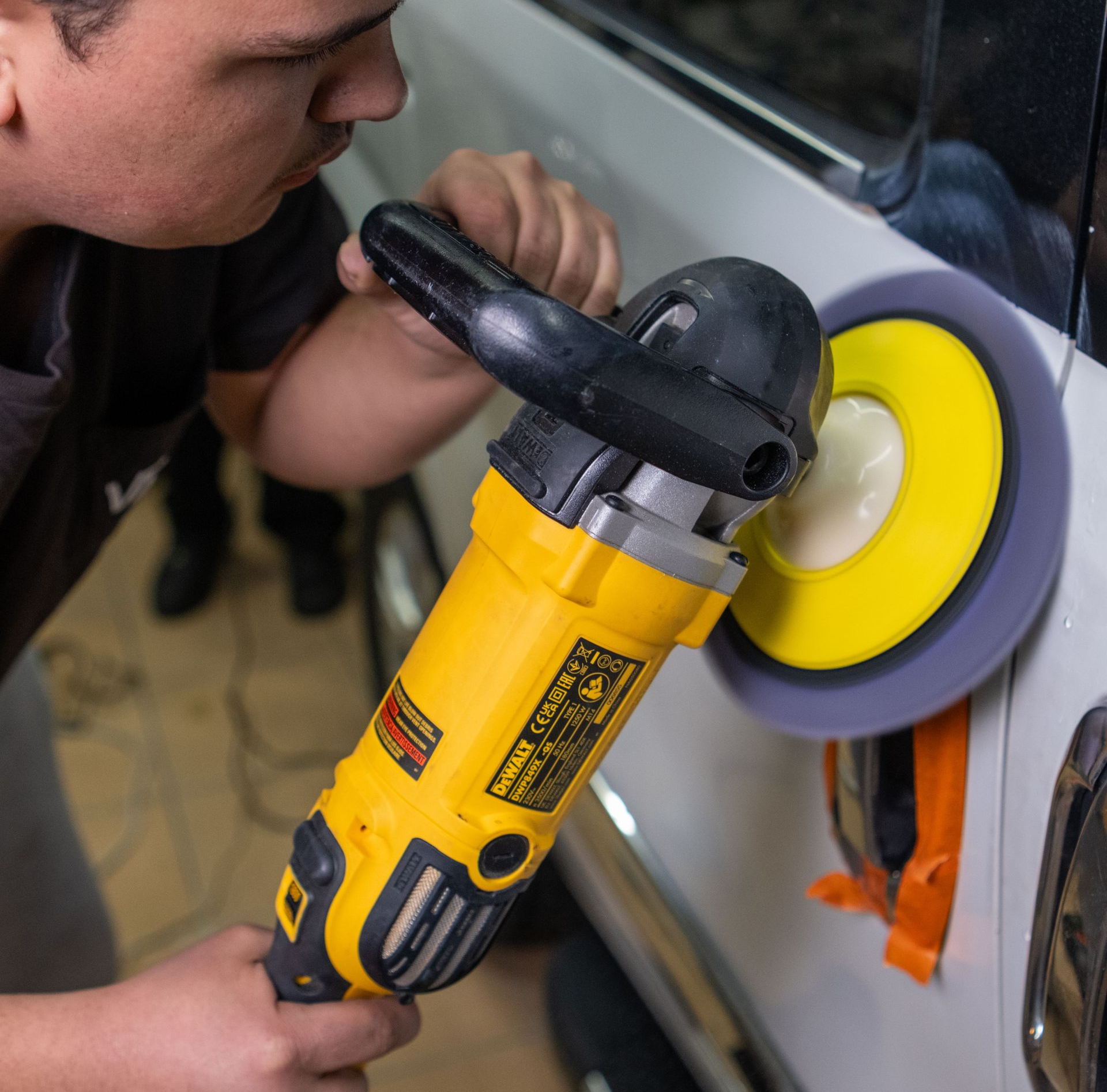
Professional Buffing & Polishing In Washington, DMV
By Search Lab Digital • October 29, 2026
This is a subtitle for your new post
By Search Lab Digital • October 29, 2026
After a collision, the damage to your vehicle may extend far beyond dents, scratches, and broken exterior parts. On many modern cars, crossovers, and SUVs, the body itself is an important part of the vehicle's structural support. When that structure is damaged, professional unibody repair may be necessary to restore the vehicle properly. Understanding unibody repair can help you make informed decisions after an accident. From vehicle alignment to structural integrity and crash performance, restoring a damaged unibody is about much more than making a vehicle look good again. What Is a Unibody Vehicle? A unibody vehicle uses a design in which the body and chassis work together as a single integrated structure. Instead of having a separate body mounted on top of a heavy frame, numerous structural components are connected to create one cohesive unit. Most modern passenger cars, crossovers, and many SUVs use unibody construction. This approach can reduce weight while providing the strength, efficiency, and handling characteristics manufacturers want. The structure also incorporates areas designed to manage collision forces. Because these components work together, damage to one structural area can affect other parts of the vehicle. What Is Unibody Repair? Unibody repair is the process of restoring damaged structural components of a unibody vehicle following a collision. Depending on the location and severity of the damage, this can involve careful measuring, straightening, pulling, sectioning, welding, or replacing specific structural components. The objective is not simply to make damaged metal appear straight. A proper repair seeks to return the vehicle's structure to the dimensions and specifications established by its manufacturer. At General Collision Center, computerized measuring systems can be used to compare a damaged vehicle with manufacturer specifications. Specialized equipment can then apply controlled force at precise locations to help restore the correct geometry. How Is Unibody Construction Different From a Traditional Frame? Unibody and body-on-frame vehicles are built differently, which means their collision repairs require different approaches. Traditional body-on-frame construction uses a separate chassis, typically consisting of strong rails, with the vehicle body mounted on top. This design remains common on some trucks and larger SUVs. With unibody construction, the structural body and chassis are integrated. Areas such as rails, pillars, rocker panels, and other welded components can contribute to the overall structure. Because of this integration, unibody collision damage requires technicians to consider how an impact has affected the entire structure rather than focusing exclusively on the visibly damaged panel. Why Is Proper Unibody Repair Important? Your vehicle's structural components play an important role in how it drives and responds during a collision. Unibody vehicles incorporate engineered crush zones and load paths that are intended to manage impact energy. If structural damage is not properly repaired, the vehicle may no longer perform as its manufacturer intended. Improper structural repairs may also affect road performance and crashworthiness. That is why unibody repair requires accurate measurements, appropriate equipment, trained technicians, and careful attention to manufacturer-recommended repair procedures. Restoring the structure correctly is an important part of returning a collision-damaged vehicle to the road. What Are the Signs of Unibody Damage? Structural damage is not always obvious after an accident. A vehicle may have unibody damage even when the exterior appears relatively normal. Possible signs can include uneven gaps around doors, the hood, or trunk; unusual tire wear; steering or handling changes; visible buckling; or doors that no longer open and close normally. A vehicle that appears to sit unevenly can also warrant further inspection. However, you should not rely solely on visible symptoms. Damage may be concealed behind exterior panels or underneath the vehicle. After a significant collision, a professional inspection is the best way to determine the full extent of the damage. How Do Collision Repair Technicians Measure Unibody Damage? Accurate measurements are essential when assessing structural collision damage. Modern repair facilities can use computerized measuring technology to evaluate the position of structural points and compare those measurements with manufacturer specifications. This process helps technicians identify areas that may have shifted during an impact, including damage that is difficult to detect visually. Once technicians understand where the structure is out of specification, they can develop an appropriate repair plan. This removes much of the guesswork from structural repair and allows technicians to evaluate progress as the vehicle is restored. How Is a Damaged Unibody Straightened? When repair procedures allow straightening, specialized equipment is used to apply controlled force to damaged areas. A vehicle may be secured to frame straightening equipment so technicians can make carefully planned pulls. Hydraulic equipment allows force to be applied at specific points while technicians monitor measurements. The process requires precision. Applying force incorrectly can potentially cause additional damage, particularly because modern vehicles can contain advanced high-strength materials. In some situations, straightening is not the appropriate solution. Manufacturer procedures may instead require a damaged structural component to be replaced or sectioned at an approved location. Can Unibody Damage Affect Wheel Alignment and Handling? Yes. A vehicle's suspension and other mechanical components are connected to or supported by structural areas of the vehicle. If those areas move during a collision, the effects can potentially influence wheel geometry, steering, tire wear, and handling. This is one reason an alignment alone may not solve every post-collision problem. If the underlying structure is out of specification, technicians first need to identify and address the source of the issue. Proper structural measurement helps determine whether the vehicle's mounting points and dimensions have been restored before related systems are evaluated and adjusted. Can a Vehicle With Unibody Damage Be Repaired Safely? Many vehicles with unibody damage can be repaired, but the answer depends on the extent and location of the damage, the materials involved, manufacturer procedures, and the overall condition and value of the vehicle. Professional technicians must evaluate the damage before determining the appropriate repair strategy. Severe structural damage may require replacement of certain components rather than straightening. In other cases, repair costs may approach the vehicle's market value, and an insurance company could determine that the vehicle is a total loss. A qualified collision repair facility can document the damage, develop a repair plan, and work with the insurance provider when applicable. Schedule Unibody Repair With General Collision Center Unibody repair is one of the most important aspects of modern collision repair. Your vehicle may look fine from a distance while still having structural damage hidden beneath its exterior panels. Getting that damage properly inspected and repaired can help restore the vehicle's alignment, structural integrity, and intended performance. General Collision Center provides collision and structural repair for all makes and models. Our team follows manufacturer-recommended procedures and uses modern equipment to identify both visible and hidden collision damage. We also work with insurance companies and can help coordinate your repair process from beginning to end.  If your vehicle has been involved in an accident, do not leave potential structural damage to chance. Call General Collision Center at (443) 478-5000 today to schedule an inspection, request a repair estimate, and let our collision repair team help you get safely back on the road.
By Search Lab Digital • October 29, 2026
This is a subtitle for your new post
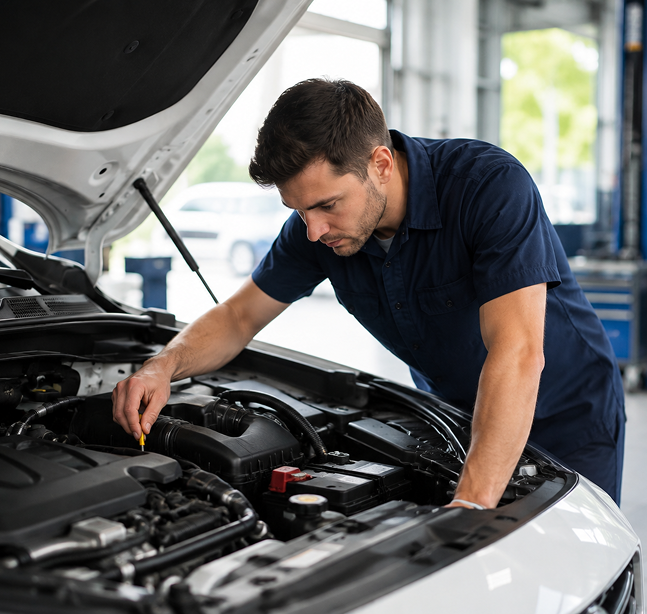
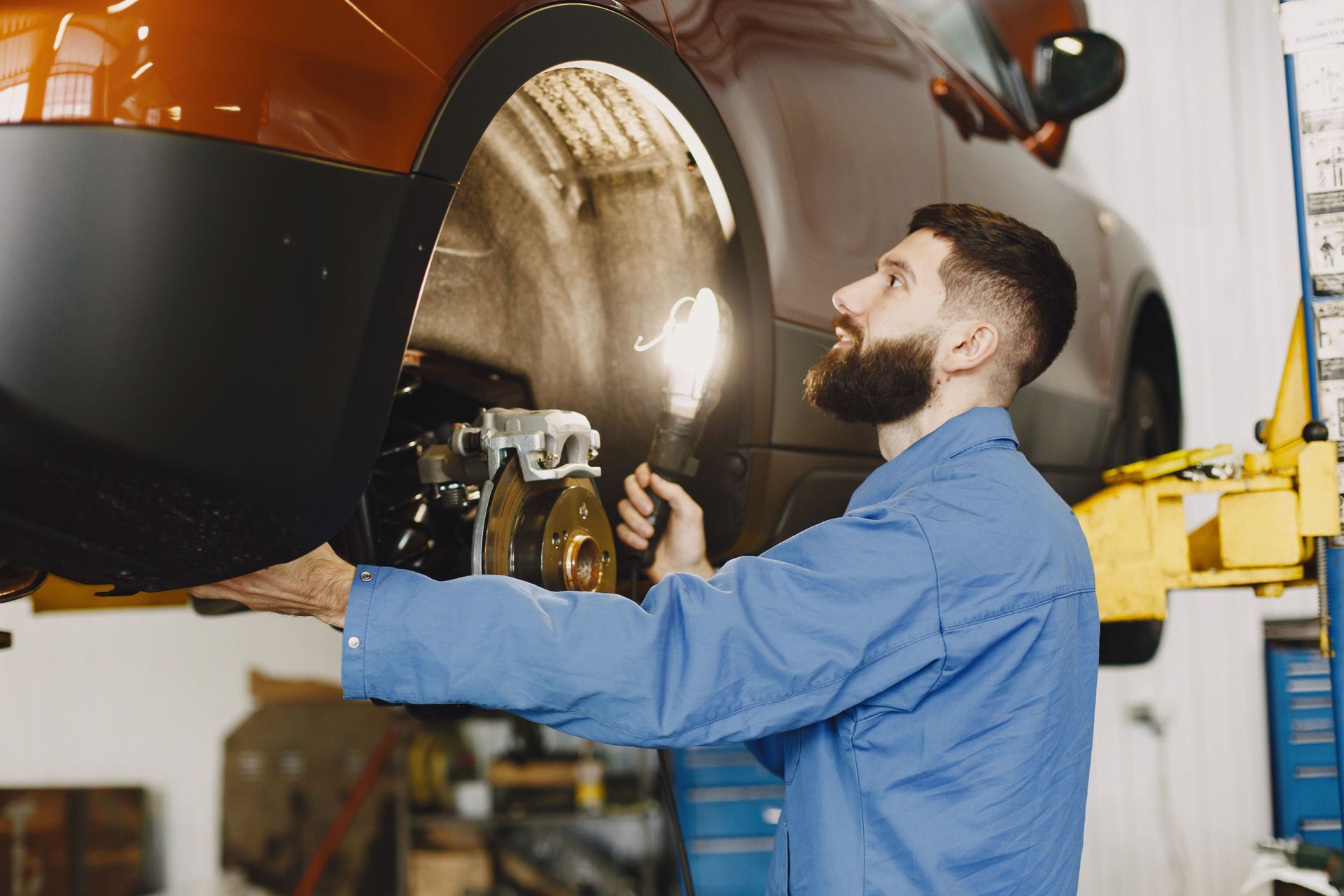
Inspecting damage after a car accident with car lifted up.
By Easterns Marketing Team • August 28, 2026
After a car accident, there will be the obvious damage and the not-so-obvious damage. Be sure that everything gets addressed as you go through the repair process.
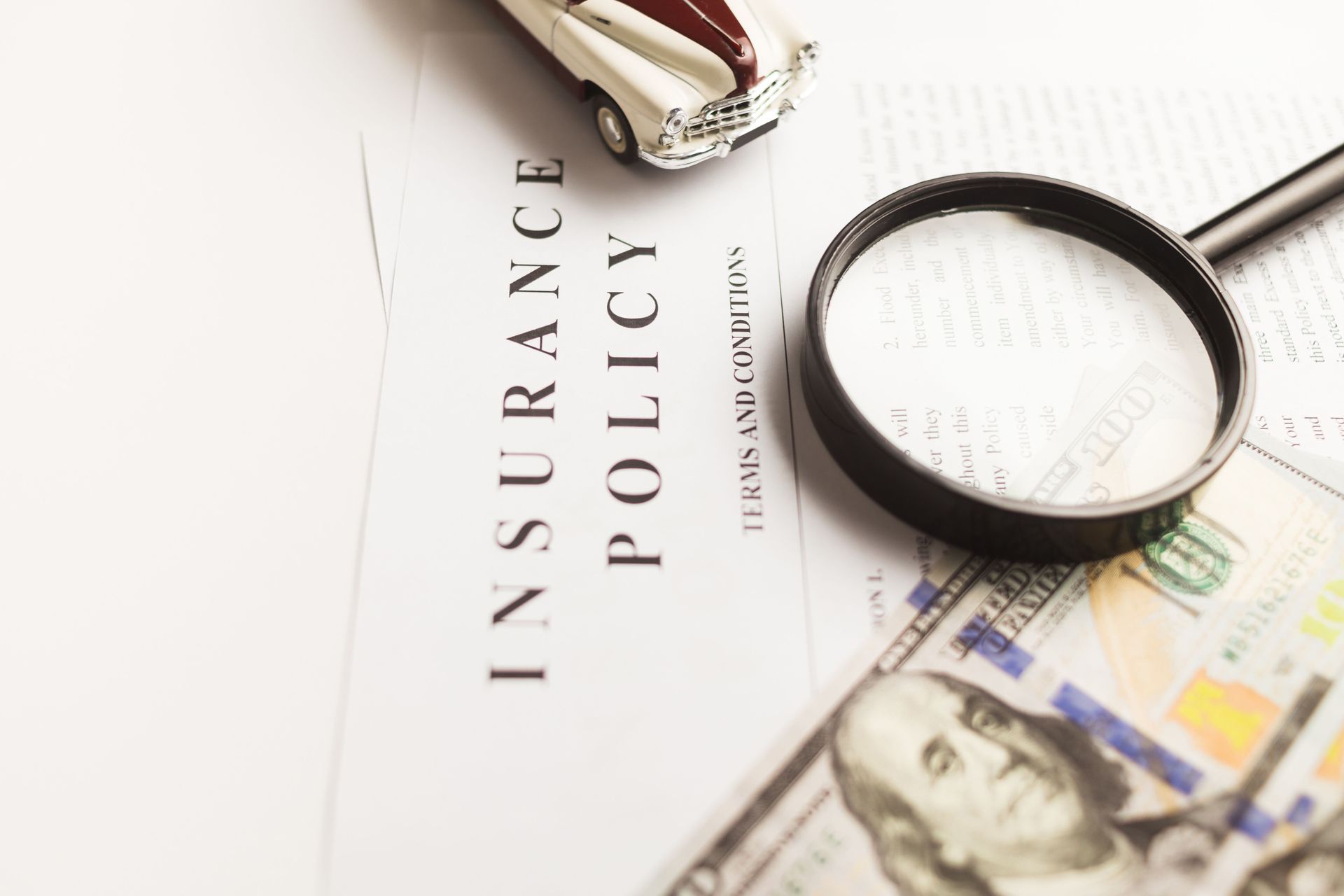
Car insurance policies
By Easterns Marketing Team • August 14, 2026
Whether or not your insurance will pay for collision repairs depends a lot on the policy. Find out more about the different types and what to expect from yours.
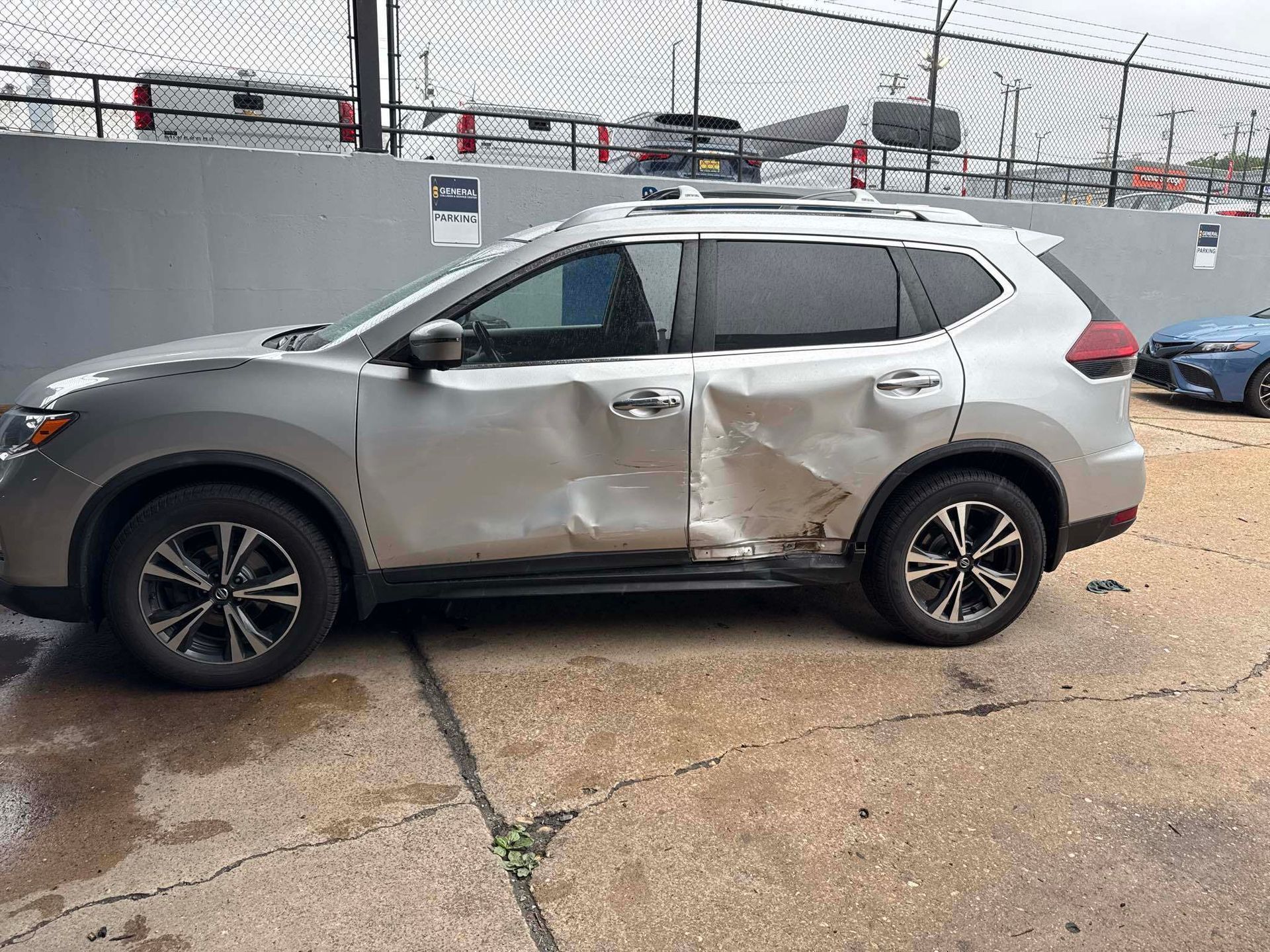
Nissan Rogue before collision repair
By Easterns Marketing Team • July 24, 2026
When you're in a vehicle accident, it's hard to know what you should do right away. It's best to have a plan beforehand. Read this step-by-step list to get it right.
Body repair
By Easterns Marketing Team • July 14, 2026
Do you have to use the body shop your Insurance recommends? Read on to find out what the recommendations are about, and what your options really are.
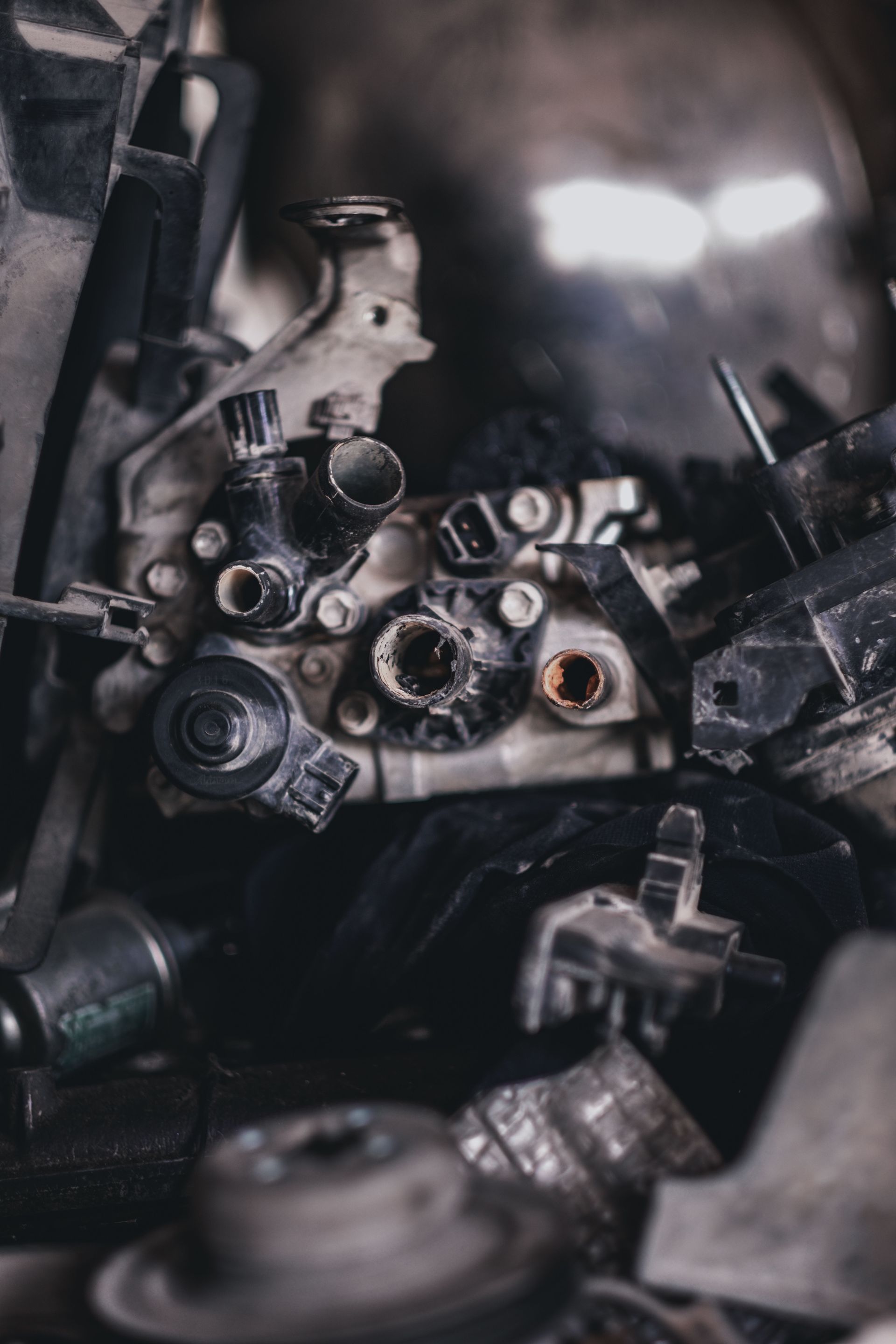
Auto Parts
By Easterns Marketing • June 23, 2026
You have a lot of decisions to make when your vehicle is getting repaired after an accident. One question is whether or not it's a good idea to use non-OEM parts.
More Posts