Spot Paint Repair In Washington, DMV
Your vehicle’s paint does more than create a polished appearance. It also protects the body from moisture, road debris, corrosion, and everyday wear. When scratches, chips, fading, or collision damage affect the finish, choosing the right repair method can help restore your vehicle while avoiding unnecessary work.
Two common options are spot paint repair and a full repaint. Spot repair focuses on a limited damaged area, while a full repaint provides a new finish across the entire vehicle. Which option makes sense depends on the location, severity, and extent of the paint damage.
If you are trying to decide between spot paint repair vs a full repaint, understanding the differences can help you make a more informed choice.
What Is Spot Paint Repair?
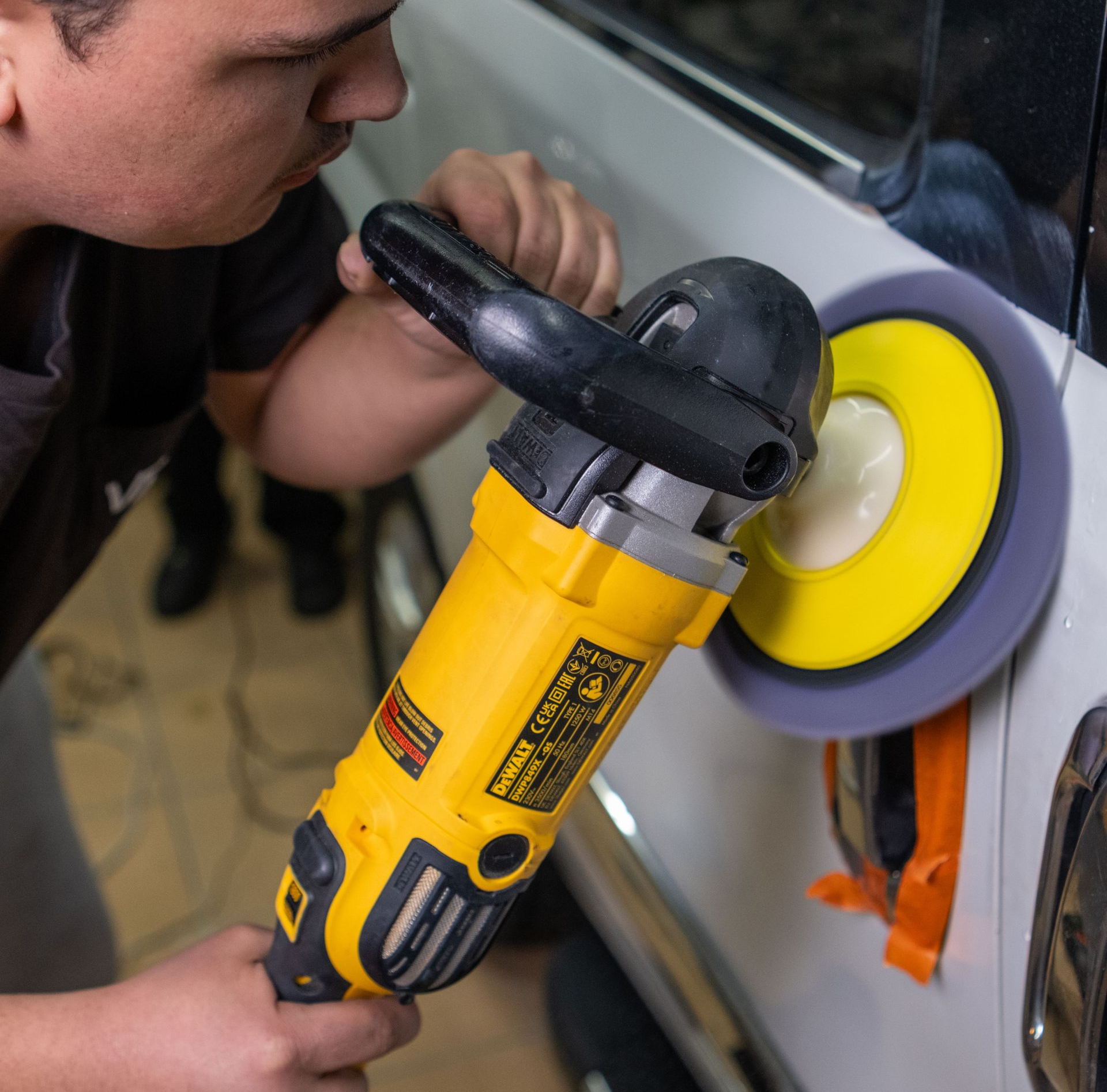
Spot paint repair is a refinishing technique used when paint damage is confined to a relatively small area. Rather than repainting the entire vehicle, a technician repairs the affected section and carefully blends the new paint with the surrounding finish.
Spot repair may be appropriate for minor scratches, localized scuffs, small chips, and other limited cosmetic damage. Professional technicians can use manufacturer paint information and color-matching technology to achieve a close match with the vehicle’s existing finish.
At General Collision Center, spot and panel repairs are among the professional paint services available for vehicles with localized damage.
What Is a Full Vehicle Repaint?
A full repaint, sometimes called a complete respray, involves refinishing the entire exterior rather than concentrating on one damaged section.
This more extensive process can make sense when paint problems affect numerous panels or much of the vehicle. Widespread fading, oxidation, extensive collision damage, or a badly deteriorated finish may make repairing individual areas impractical.
Preparation is an important part of a complete repaint. The vehicle’s surfaces need to be properly prepared before new paint and protective finishing layers are applied. The goal is to create a consistent appearance across the entire vehicle while restoring exterior protection.
When Is Spot Paint Repair the Better Choice?
Spot paint repair is generally best when the damage is minor and contained. For example, a scrape on one portion of a bumper or a scratch affecting a small section of a door may not justify repainting the whole vehicle.
Choosing a localized repair can reduce the amount of refinishing work required. Depending on the damage, that can mean a more efficient and cost-effective repair.
The key is determining whether the surrounding paint is still in good condition. If the rest of the finish has maintained its color and gloss, an experienced technician may be able to blend the repaired section into the surrounding area for a seamless appearance.
When Should You Consider a Full Repaint?
A full repaint becomes more practical when paint problems are widespread rather than isolated.
Vehicles that have spent years exposed to sunlight and weather can develop fading or oxidation across several panels. Major collision damage may also require repairs and refinishing in multiple areas. In these situations, addressing one spot at a time may produce inconsistent results or simply fail to solve the larger problem.
A complete repaint provides uniform color and renewed exterior protection. General Collision Center offers full resprays when the condition of a vehicle makes localized repairs insufficient.
Not sure how extensive your vehicle’s damage is? Request a free collision repair estimate for professional guidance.
How Does Paint Matching Affect Spot Repairs?
Paint matching is one of the most important parts of professional spot paint repair. Simply finding a paint with the same general color is not enough.
Vehicle manufacturers use specific paint codes, but age, sunlight, weather, and previous repairs can affect how a finish looks over time. This is why professional repair involves more than selecting a factory color and applying it directly to the damaged area.
General Collision Center uses color-matching technology and manufacturer paint codes to help repaired areas blend with the rest of the vehicle. Proper blending can make the transition between repaired and original surfaces far less noticeable.
Is Spot Paint Repair Cheaper Than a Full Repaint?
In many cases, spot paint repair can cost less because technicians are working on a smaller area. However, there is no single price that applies to every vehicle.
Repair costs can vary based on the size and depth of the damage, the panels involved, the type of paint, necessary preparation, and whether underlying body damage also needs attention.
A full repaint naturally involves significantly more surface area, materials, preparation, and labor. Still, if damage is spread across the vehicle, a complete repaint may make more sense than performing numerous individual repairs.
A professional inspection is the best way to determine which approach offers better value for your specific vehicle.
Why You Should Not Ignore Damaged Automotive Paint
It can be tempting to ignore a small scratch or chip, especially when the vehicle remains perfectly drivable. However, automotive paint has an important protective function.
When damage penetrates the protective finish and exposes metal underneath, moisture and oxygen can contribute to corrosion. Road salt and changing weather conditions can make exposed surfaces particularly vulnerable.
Addressing paint damage early can help prevent a relatively minor cosmetic problem from becoming a more complicated body repair later. It also helps maintain your vehicle’s appearance and may contribute to preserving its resale value.
What About Paintless Dent Repair?
Not every dent requires paint repair. If a vehicle has a small or moderate dent but its paint remains intact, paintless dent repair, commonly called PDR, may be an option.
PDR uses specialized tools and techniques to reshape a damaged panel without repainting it. Because the original finish remains untouched, it can be an efficient solution for qualifying door dings, hail dents, and minor impacts.
If the paint has cracked or the panel is significantly damaged, conventional body repair and refinishing may be necessary instead. General Collision Center can inspect the damage and recommend an appropriate repair method.
Explore the shop’s auto body repair services to learn more.
How Do Professionals Choose the Right Paint Repair?
The decision between spot repair and a full repaint should be based on the actual condition of the vehicle, not simply the size of the most obvious scratch.
A professional inspection can consider the depth of the damage, condition of the clear coat, number of affected panels, existing fading or oxidation, underlying body damage, and the ability to blend new paint with the existing finish.
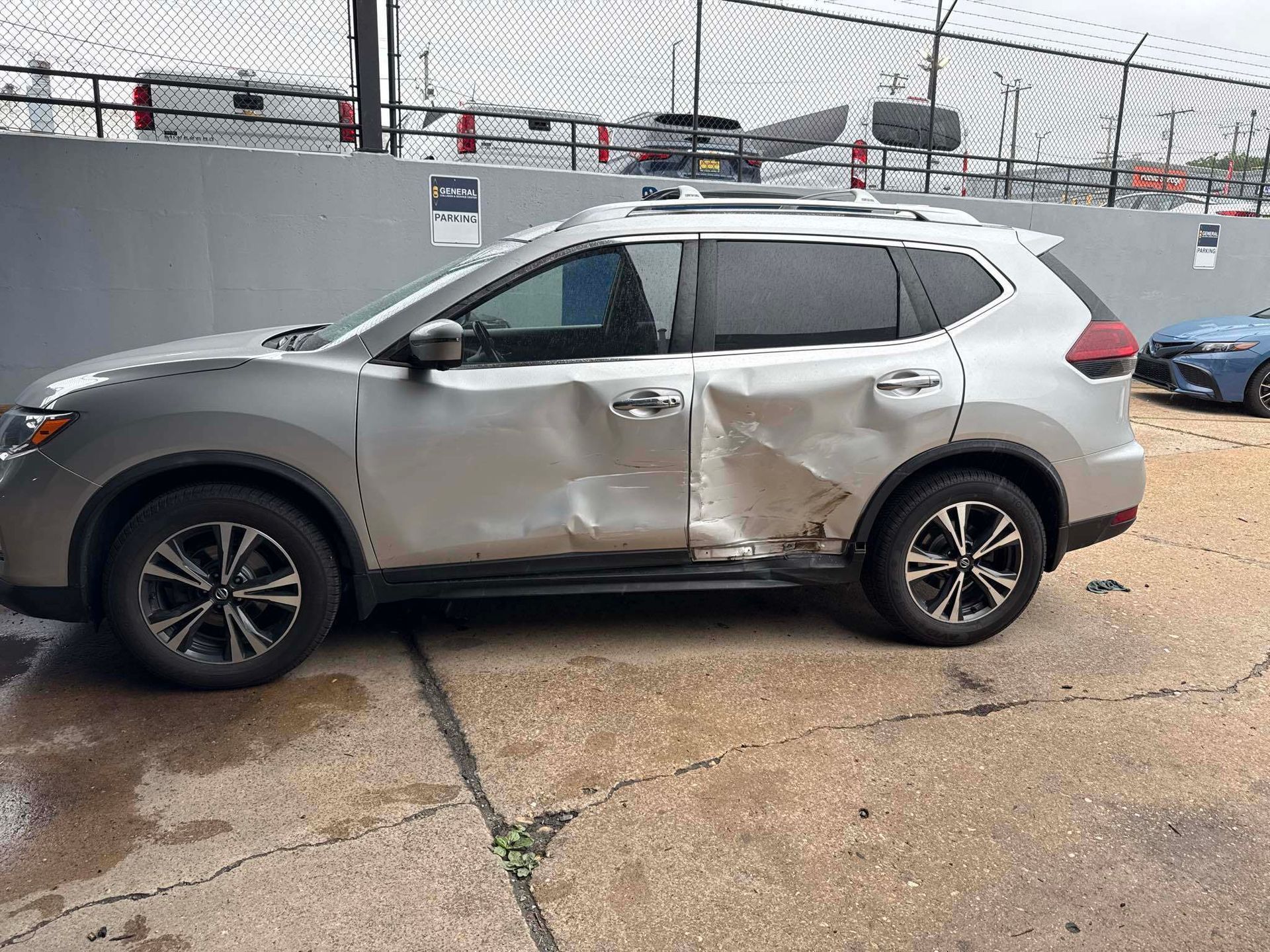
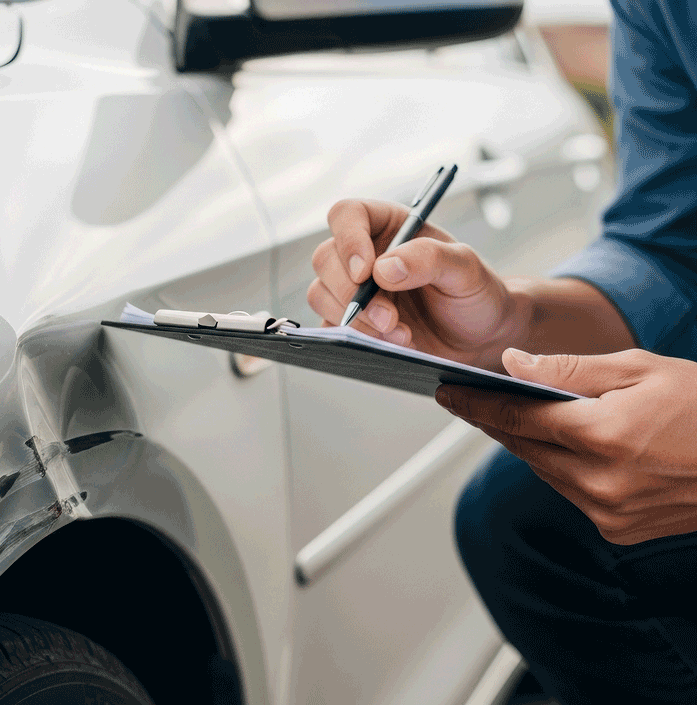
This is especially important after a collision. Damage that appears cosmetic at first may be accompanied by dents, panel deformation, alignment issues, or other concerns that require additional attention.
General Collision Center offers free professional damage assessments and can explain the recommended repairs before work begins.
Get Professional Car Paint Repair at General Collision Center
When comparing spot paint repair vs a full repaint, the best choice comes down to the condition of your vehicle. Spot repair can be an excellent solution for localized scratches, chips, and scuffs, while a complete repaint may be better for widespread fading, oxidation, or extensive damage.
General Collision Center provides professional paint repair and refinishing for all makes and models. The team offers factory-match paint, professional refinishing, collision repair expertise, and a limited lifetime warranty on its paint and body labor.
Do not let damaged paint continue to affect your vehicle’s appearance and protection. Get a free repair estimate from General Collision Center or explore professional car paint repair services to get started today.