How Auto Body Paint Matching Works
This is a subtitle for your new post
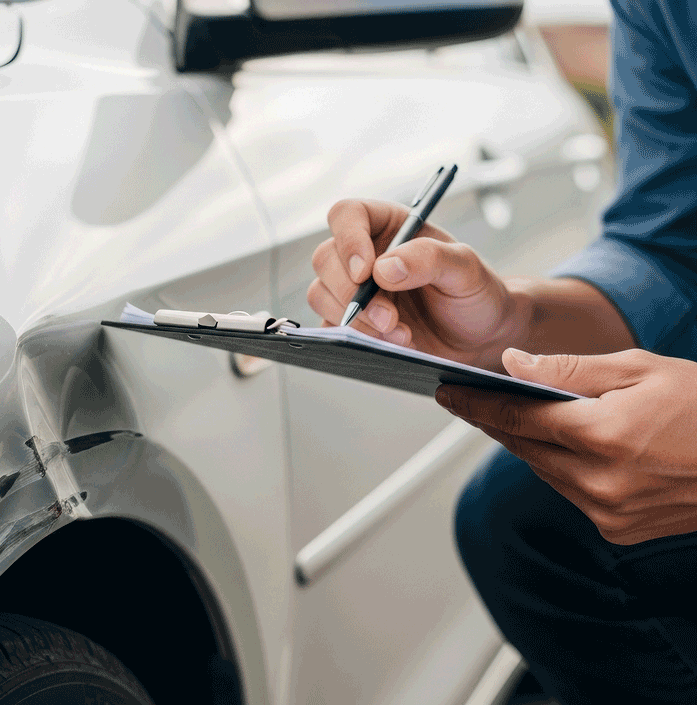
After collision repairs, one of the first things you are likely to notice is the paint. Even when dents, scratches, and damaged panels have been repaired correctly, a mismatched color can make the repaired area stand out. Professional auto body paint matching is designed to prevent that problem and restore a consistent appearance across your vehicle.
Modern paint matching involves much more than simply finding a can of paint with the same color name. Auto body technicians can use manufacturer paint codes, computerized color-matching technology, careful mixing, professional refinishing techniques, and blending to create a seamless result.
At General Collision Center, our paint services are designed to restore your vehicle's appearance while helping protect repaired surfaces. Here is a closer look at how professional auto body paint matching works.
What Is Auto Body Paint Matching?
Auto body paint matching is the process of creating a paint color that closely matches the existing finish on a vehicle. This process is commonly needed after collision repairs, dent repairs, panel replacement, scratch repair, and other types of body work.
A professional repair facility does not simply choose a color that looks similar. Technicians work to identify the vehicle's original paint specifications and account for the current condition of the finish.
The goal is straightforward: once the repair is complete, the refinished area should blend naturally with the surrounding body panels.
Why Is Car Paint Difficult to Match?
Automotive paint is more complicated than it may appear. Modern finishes can incorporate different pigments, metallic particles, pearls, and other materials that affect how a color looks under different lighting conditions.
Age can make matching more complicated as well. Sunlight, weather, previous repairs, environmental exposure, and normal wear can change a vehicle's finish over time. As a result, applying the original factory formula alone may not always produce the closest possible match.
Even spray technique, temperature, humidity, and the orientation of metallic or pearl particles can affect a finished color. Professional paint matching accounts for these variables instead of relying on a visual guess.
Finding Your Vehicle's Factory Paint Code
One of the first steps in auto paint matching is identifying the manufacturer's paint code. This code provides technicians with important information about the vehicle's original factory color and corresponding paint formula.
Depending on the manufacturer, a paint code may be found on a label or plate in locations such as the driver's door jamb, under the hood, or elsewhere on the vehicle. Repair professionals can use this information as a starting point for selecting the appropriate refinishing formula.
However, the factory code is only the beginning. Because a vehicle's existing finish may differ slightly from its original appearance, additional color-matching work may be required.
How Computerized Paint Matching Technology Helps
Technology has made professional automotive paint matching much more precise. Color-matching systems can help technicians identify appropriate formulas and variants for a vehicle's existing finish.
A tool known as a spectrophotometer, sometimes called a color camera, may be used in professional refinishing. This equipment measures color information from the vehicle's actual surface. Software can then help identify a formula or variation that closely corresponds to those measurements.
This process gives technicians objective information they can combine with their own refinishing experience. At General Collision Center, computerized color matching is used for paint repairs to help the repaired area blend seamlessly with the surrounding finish.
Why Paint May Need to Be Adjusted
Finding the correct formula does not necessarily mean the paint is immediately ready for application.
Differences in vehicle age, weathering, previous repairs, production variations, and other factors may require refinishing technicians to adjust the color. This process is sometimes known as tinting.
Small amounts of toner can be added to change aspects of the paint's appearance. The objective is to create a blendable match with the finish currently on the vehicle rather than assuming that the original factory formula will look identical years later.
This is one reason experience remains important even with advanced color-matching technology.
How Test Panels Help Verify the Color
Before refinishing a repaired area, technicians may create a spray-out or test panel. This allows them to see how the mixed paint actually appears after it has been sprayed.
Testing matters because automotive colors can behave differently once applied. Metallic and pearl finishes are particularly sensitive to application technique and the orientation of their particles.
The test finish can be compared with the vehicle from different angles and under appropriate lighting. If necessary, technicians can make further adjustments before refinishing the repaired area. This extra step helps reduce the chance of an obvious color difference after the job is completed.
What Is Paint Blending?
Blending is another important part of many automotive refinishing jobs. Rather than creating an abrupt transition between newly applied paint and the existing finish, technicians can extend the basecoat into an adjacent area or panel.
This technique creates a gradual transition between the original finish and the refinished area, making small color differences much more difficult to detect.
Blending can be especially valuable with metallic and pearl finishes because their appearance changes depending on light and viewing angle. A properly executed blend contributes to the uniform, factory-like appearance drivers expect from professional collision repair.
How Clear Coat Completes the Finish
Color is only part of the automotive refinishing process. Many modern vehicles use a basecoat and clear coat system.
The basecoat supplies the vehicle's color, while the clear coat creates the glossy outer finish and helps protect the underlying paint. Proper clear coat application is important for achieving consistent gloss and appearance across repaired surfaces.
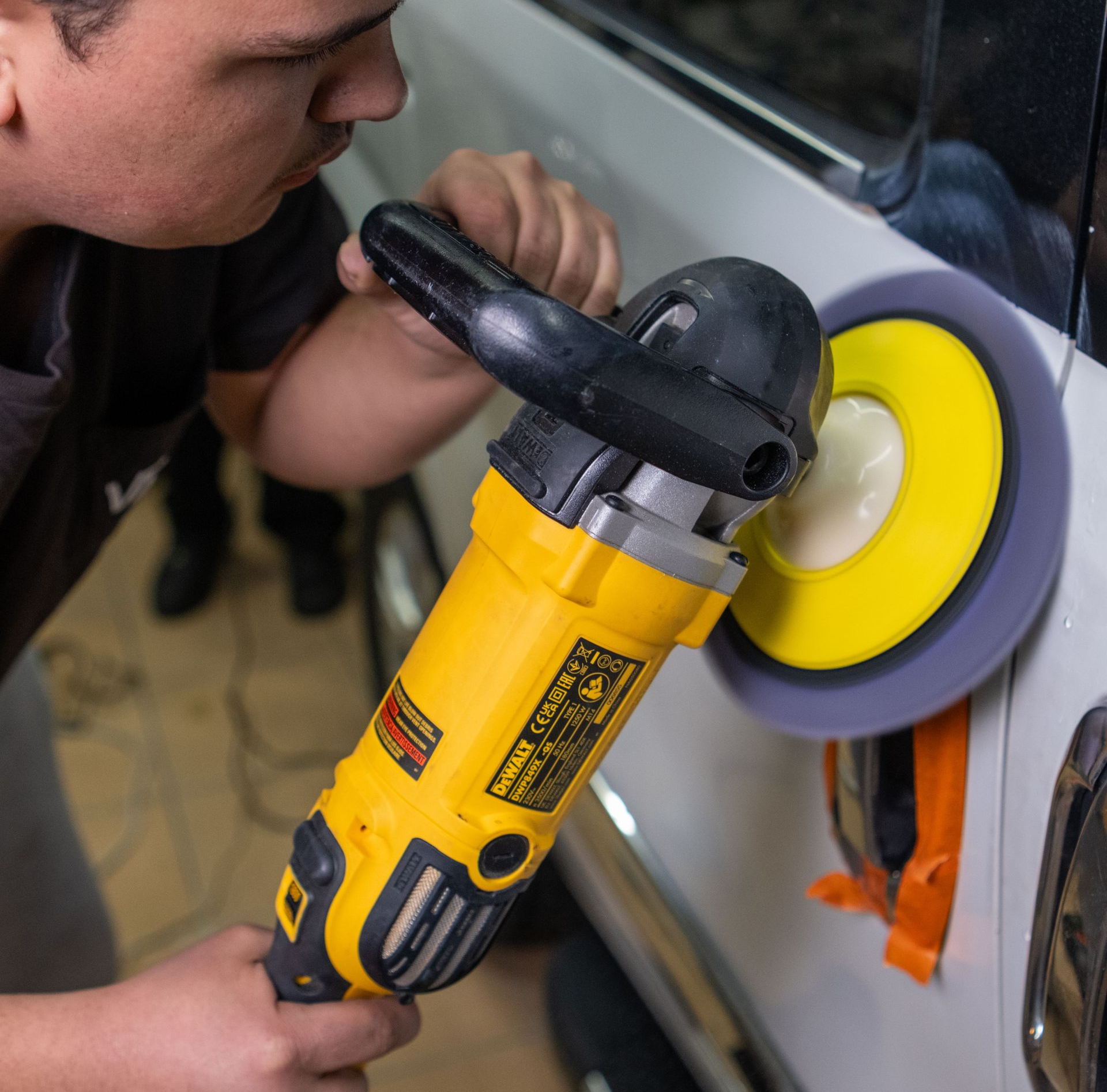
Professional preparation also matters. Before paint is applied, the surface must be appropriately repaired and prepared so that the new finish can adhere properly. General Collision Center performs factory-matched refinishing in a professional spray booth as part of its auto body repair services.
Why Professional Paint Matching Matters After a Collision
A quality collision repair should restore more than the shape of a damaged panel. It should also address the vehicle's appearance and protect repaired surfaces.
Poor paint matching can leave an otherwise successful repair looking unfinished. Proper refinishing helps the repaired section integrate visually with the rest of the vehicle while restoring the protective paint system over areas where the original finish was damaged.
General Collision Center offers spot and panel repair for localized damage as well as full resprays when a vehicle requires more extensive refinishing. Paintless dent repair may also be an option when a dent has not cracked or damaged the original paint.
Choose General Collision Center for Professional Paint Repair
Getting a great paint match requires the right combination of technology, preparation, refinishing equipment, and technician skill. At General Collision Center, we provide professional paint and auto body repair for all makes and models, including precision color matching for collision damage, scratches, scuffs, chips, and other paint concerns.
Our team can help with insurance coordination when applicable, and same-day appointments are often available. General Collision Center also backs its repair work with a limited lifetime warranty on parts and labor for as long as you own your vehicle.
If your vehicle needs paint repair or collision work, do not settle for a repair that leaves the damaged area standing out. Call General Collision Center at (443) 478-5000 today to schedule an appointment or request a free estimate for professional auto body paint matching and refinishing.