What To Do After a Car Accident in Baltimore, MD
This is a subtitle for your new post
After the Accident: Step-by-Step Guide
Being involved in a car accident can be overwhelming, whether it's a minor fender bender or a more serious collision. In the moments after an accident, it's easy to forget what steps to take, especially when emotions are running high. Knowing what to do can help protect your safety, simplify the insurance claims process, and ensure your vehicle is repaired correctly.
If you've been in a collision in Baltimore or the surrounding Maryland area, this step-by-step guide will help you understand what to do next. At General Collision Center, we've helped countless drivers navigate the repair process, and we're here to make getting your vehicle back on the road as stress-free as possible.
Step 1: Make Sure Everyone Is Safe
Your first priority is always safety. Check yourself and your passengers for injuries. If anyone is injured, call 911 immediately and request medical assistance.
If the accident is minor and the vehicles can be moved safely, relocate them to the shoulder or another safe location away from traffic. Turn on your hazard lights to make your vehicle more visible to other drivers.
If the vehicles cannot be moved safely, remain inside with your seatbelt fastened until emergency responders arrive, if traffic conditions make exiting dangerous.
Step 2: Call the Police
Even if the accident appears minor, it's often a good idea to contact local law enforcement. An official police report can be valuable when filing an insurance claim and documenting what occurred. When officers arrive:
- Answer questions honestly.
- Stick to the facts.
- Avoid speculating about who caused the accident.
- Request the report number if one is available.
A police report provides an objective record of the incident that may be useful later.
Step 3: Exchange Information
Exchange the following information with the other driver:
- Name and contact information
- Driver's license number
- Insurance company and policy number
- Vehicle make, model, and license plate number
If there are witnesses, politely ask for their names and contact information as well. Their statements may help clarify what happened if questions arise later.
Step 4: Document the Accident Scene
Your smartphone can be one of your most valuable tools after an accident. Take photographs of:
- Damage to all vehicles involved
- The overall accident scene
- Road conditions
- Traffic signs or signals
- Skid marks or debris
- Your license plate and the other vehicle's license plate
The more documentation you have, the easier it may be to support your insurance claim.
Step 5: Notify Your Insurance Company
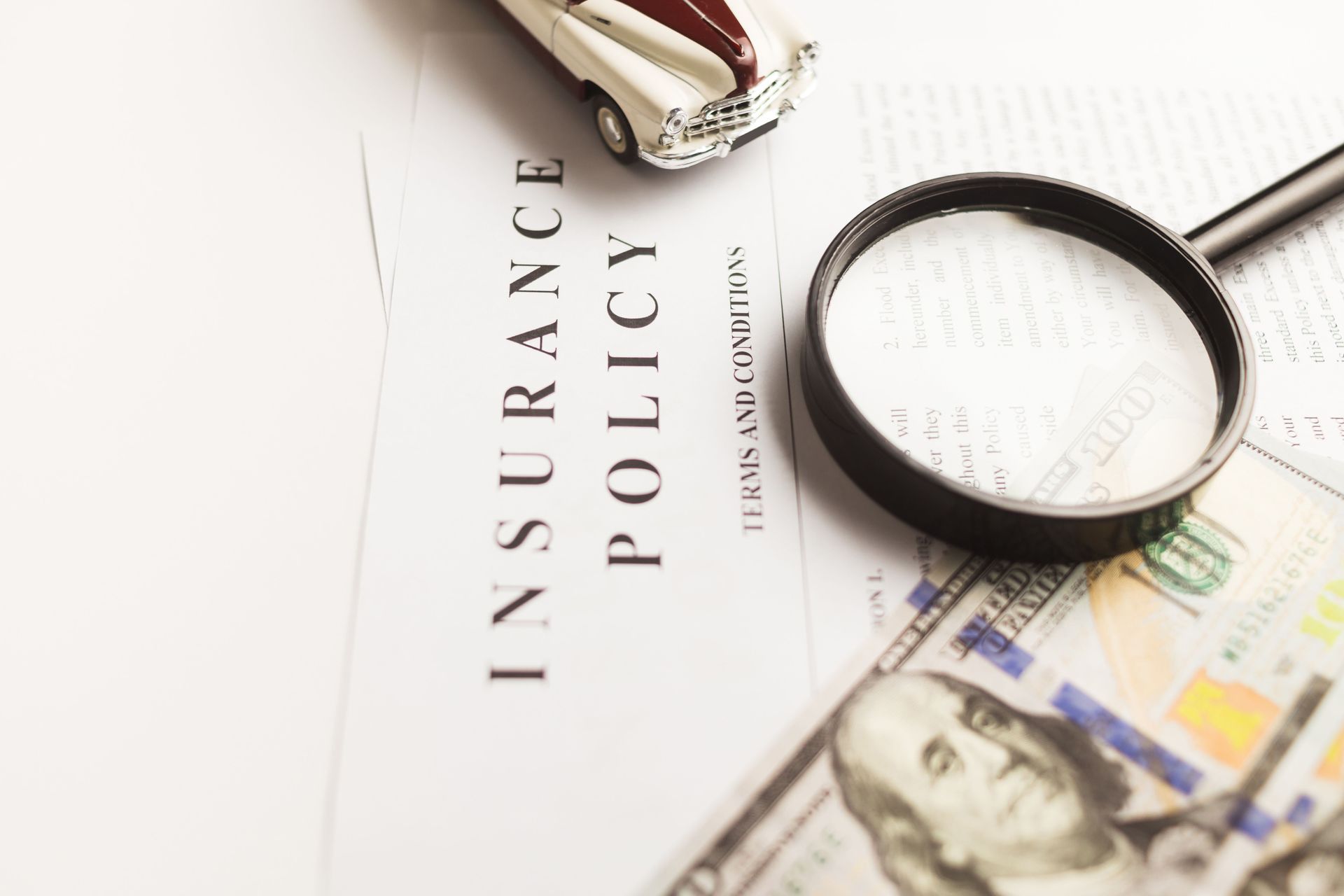
Report the accident to your insurance company as soon as reasonably possible. Be prepared to provide:
- The date and time of the accident
- The accident location
- Photos of the damage
- The police report number, if available
- The other driver's insurance information
Your insurance representative will explain your coverage, begin the claims process, and let you know what information they'll need moving forward.
Step 6: Remember That You Choose the Repair Shop
One of the biggest misconceptions after an accident is that you must use the body shop recommended by your insurance company.
In Maryland, you have the right to choose the collision repair facility that repairs your vehicle. While insurance companies may recommend shops within their preferred repair network, the final decision belongs to you.
Selecting a repair facility based on experience, reputation, and quality workmanship can give you greater confidence in the repairs being performed.
Step 7: Schedule a Professional Damage Estimate
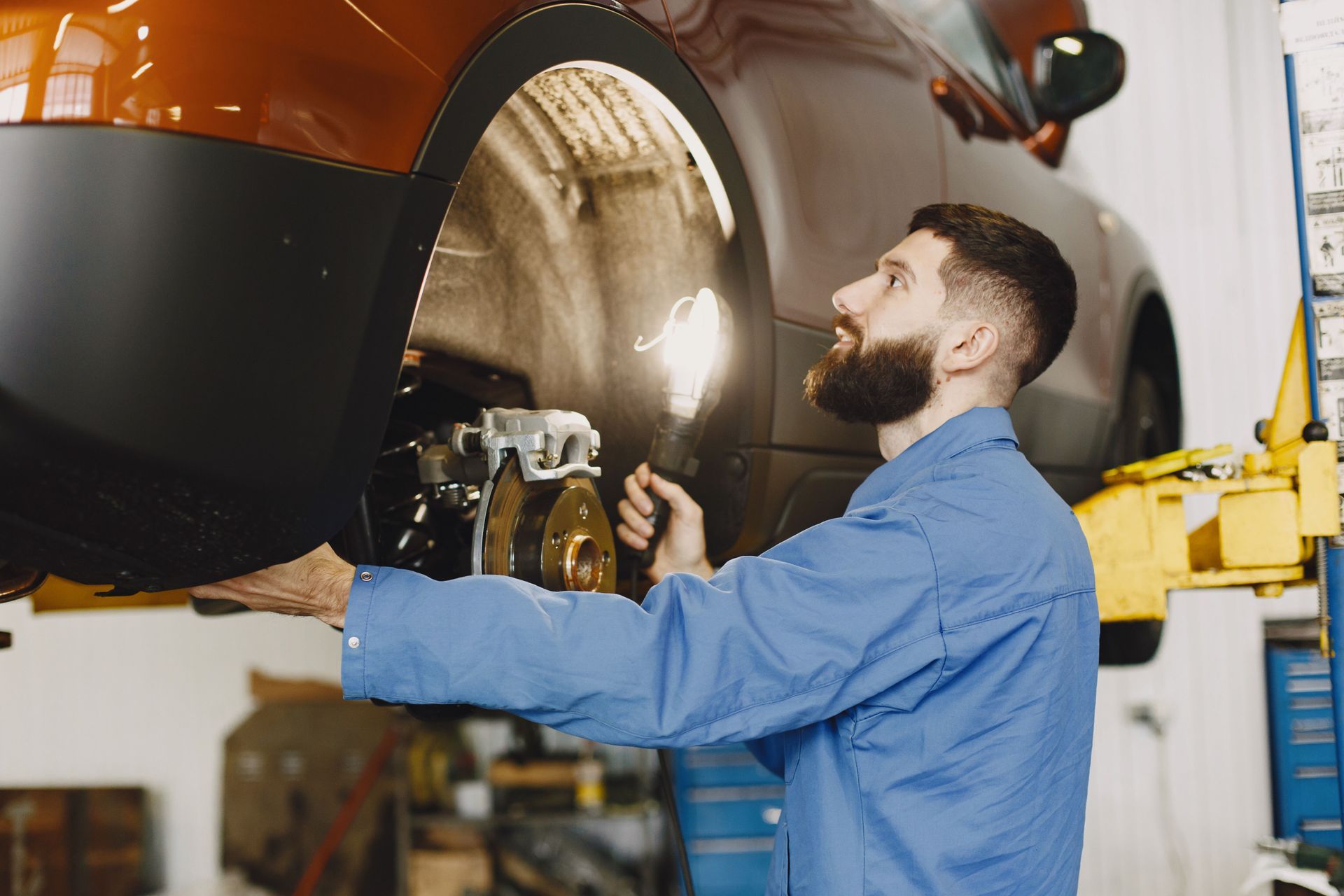
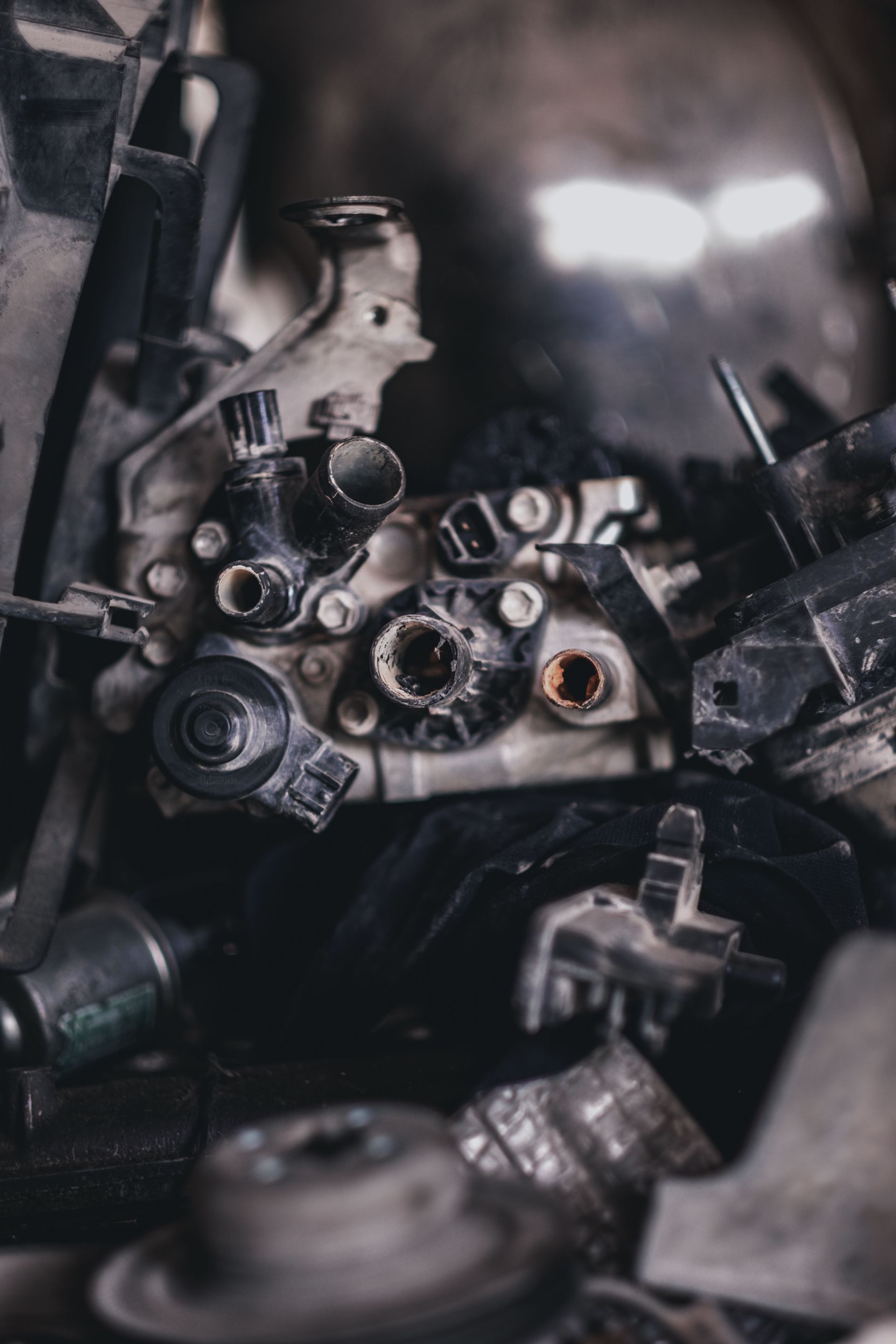
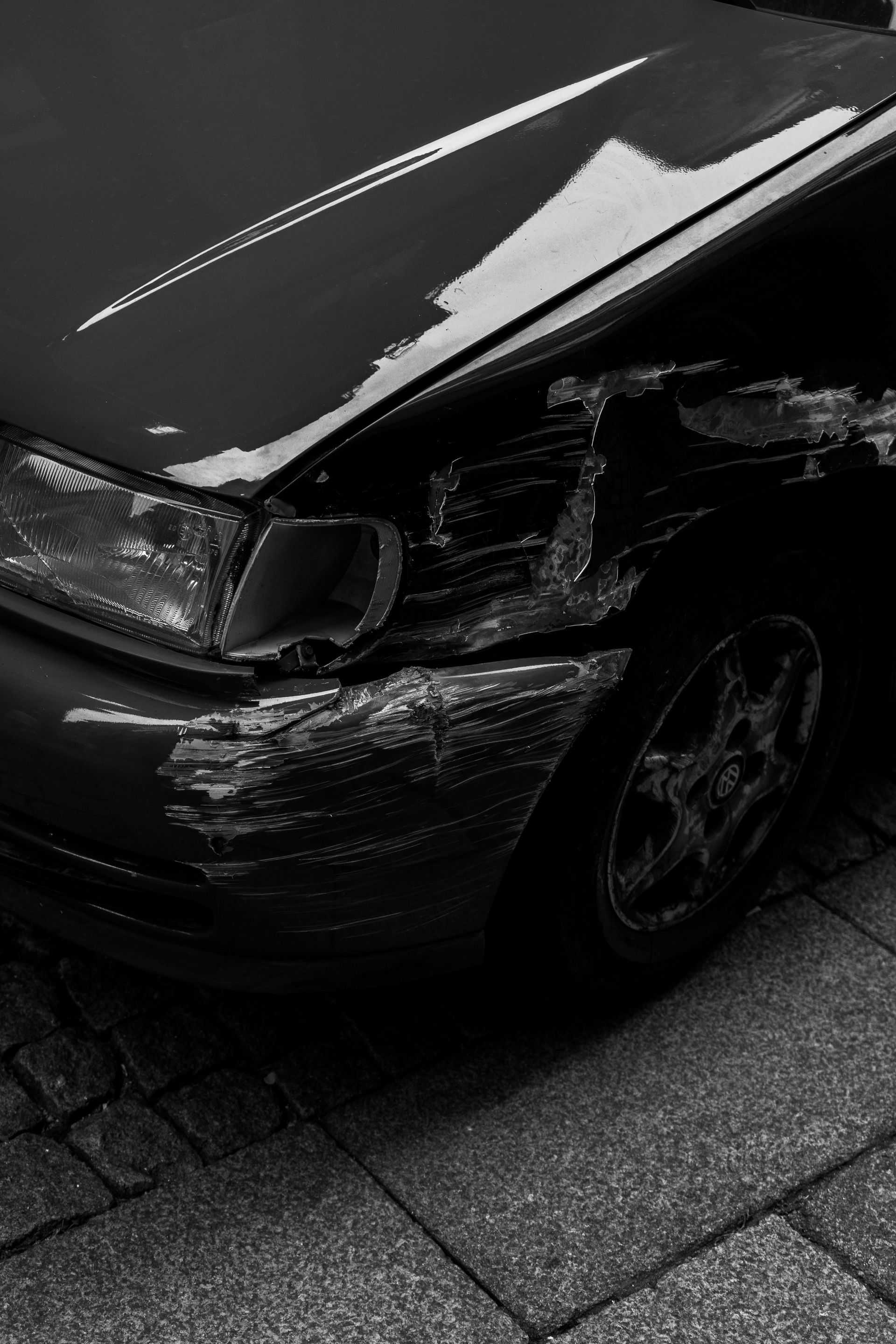
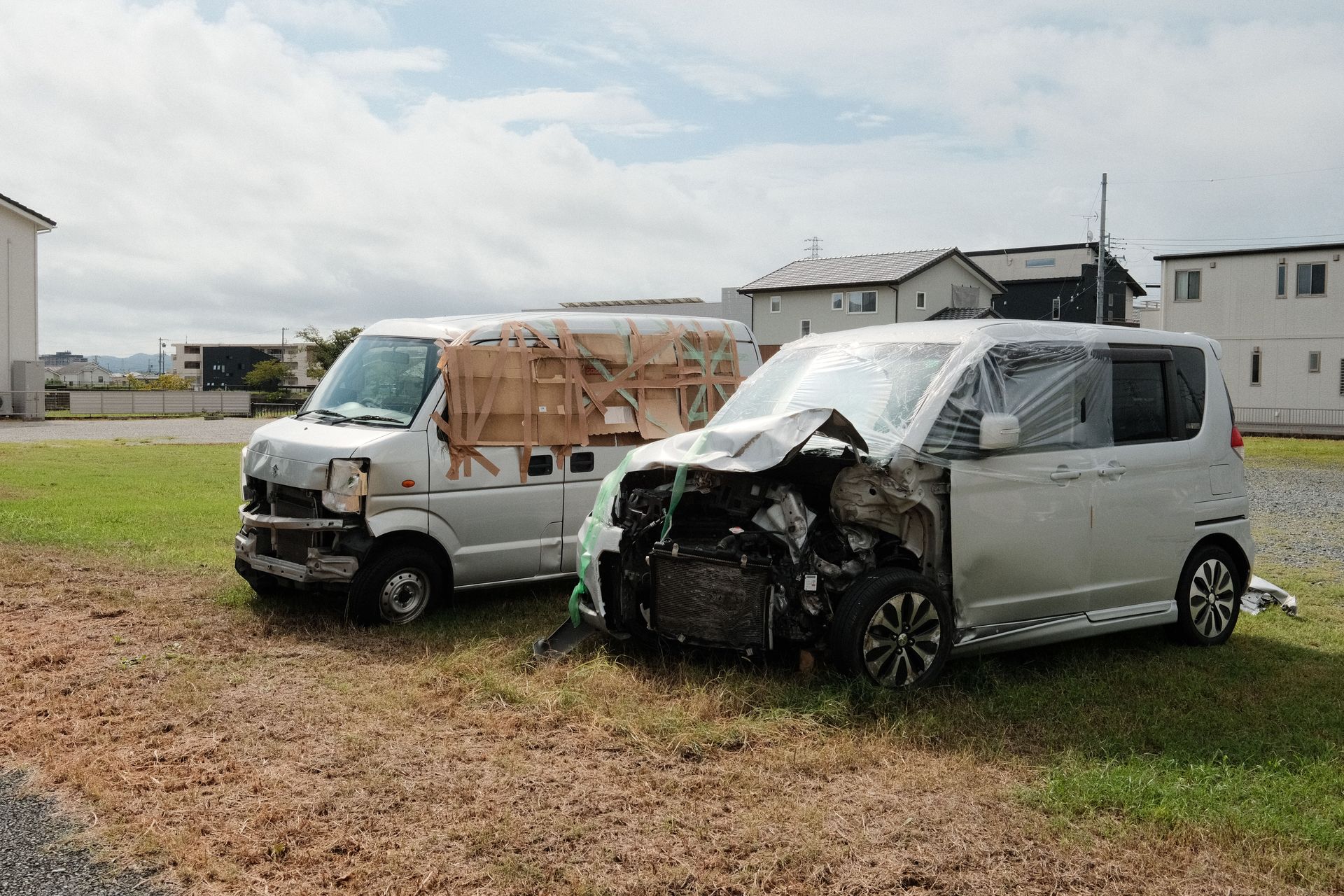
Not all collision damage is immediately visible. What looks like a damaged bumper may also involve hidden structural, suspension, steering, or safety system damage underneath.
A professional collision repair estimate helps identify both visible and potential hidden damage so the repair process can begin correctly.
If additional damage is discovered after repairs begin, the repair facility will work directly with your insurance company to obtain approval for supplemental repairs when necessary.
Step 8: Don't Delay Repairs
Even if your vehicle appears drivable, delaying repairs can sometimes allow small problems to become larger ones. For example, collision damage may affect:
- Wheel alignment
- Suspension components
- Advanced driver assistance systems (ADAS)
- Cooling systems
- Lighting or electrical components
Having your vehicle inspected promptly helps ensure these issues are identified before they create additional safety concerns or more expensive repairs.
Choose a Collision Repair Center You Trust
After an accident, choosing the right repair facility is one of the most important decisions you'll make. Look for a collision center with experienced technicians, modern repair equipment, clear communication, and a commitment to restoring your vehicle according to manufacturer repair procedures whenever applicable.
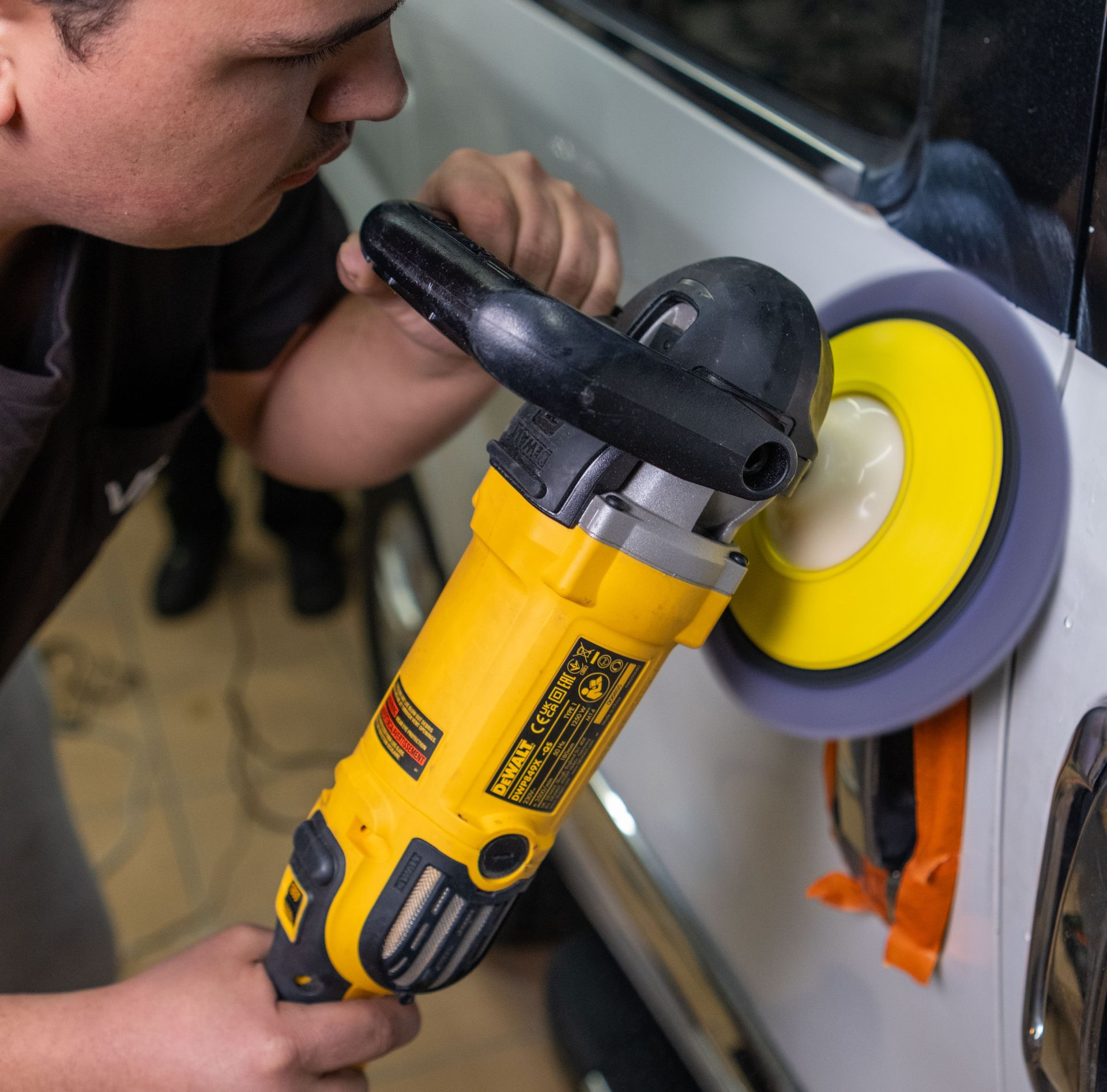
A quality repair isn't just about appearance. Proper repairs help restore your vehicle's structural integrity, safety systems, and overall performance.
At General Collision Center, we understand how stressful an accident can be. Our experienced team works with all major insurance companies while keeping your needs at the center of every repair. From your initial estimate through the final delivery of your vehicle, we're committed to providing honest communication, quality workmanship, and exceptional customer service.
Whether your vehicle has minor cosmetic damage or requires extensive collision repairs, our goal is to restore it safely and efficiently so you can get back on the road with confidence.
Schedule Your Free Collision Repair Estimate Today
If you've been involved in a car accident in Baltimore, MD, don't wait to have your vehicle professionally inspected. Hidden damage isn't always visible, and prompt repairs can help prevent additional problems down the road.
Contact General Collision Center today to schedule your free collision repair estimate. Our knowledgeable team is ready to help you through every step of the repair process and get your vehicle looking and performing its best once again.