Hidden Damage After a Car Accident
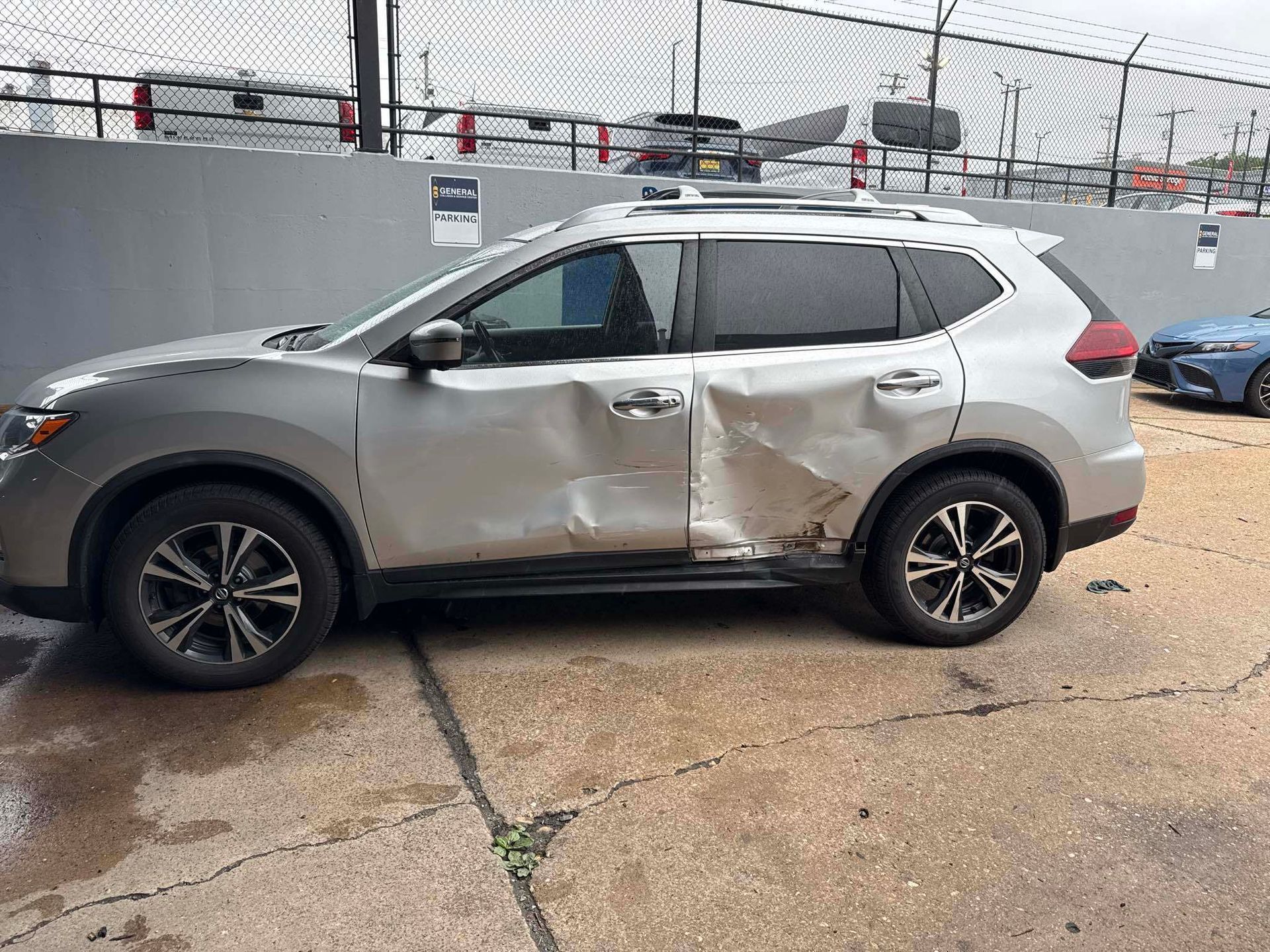
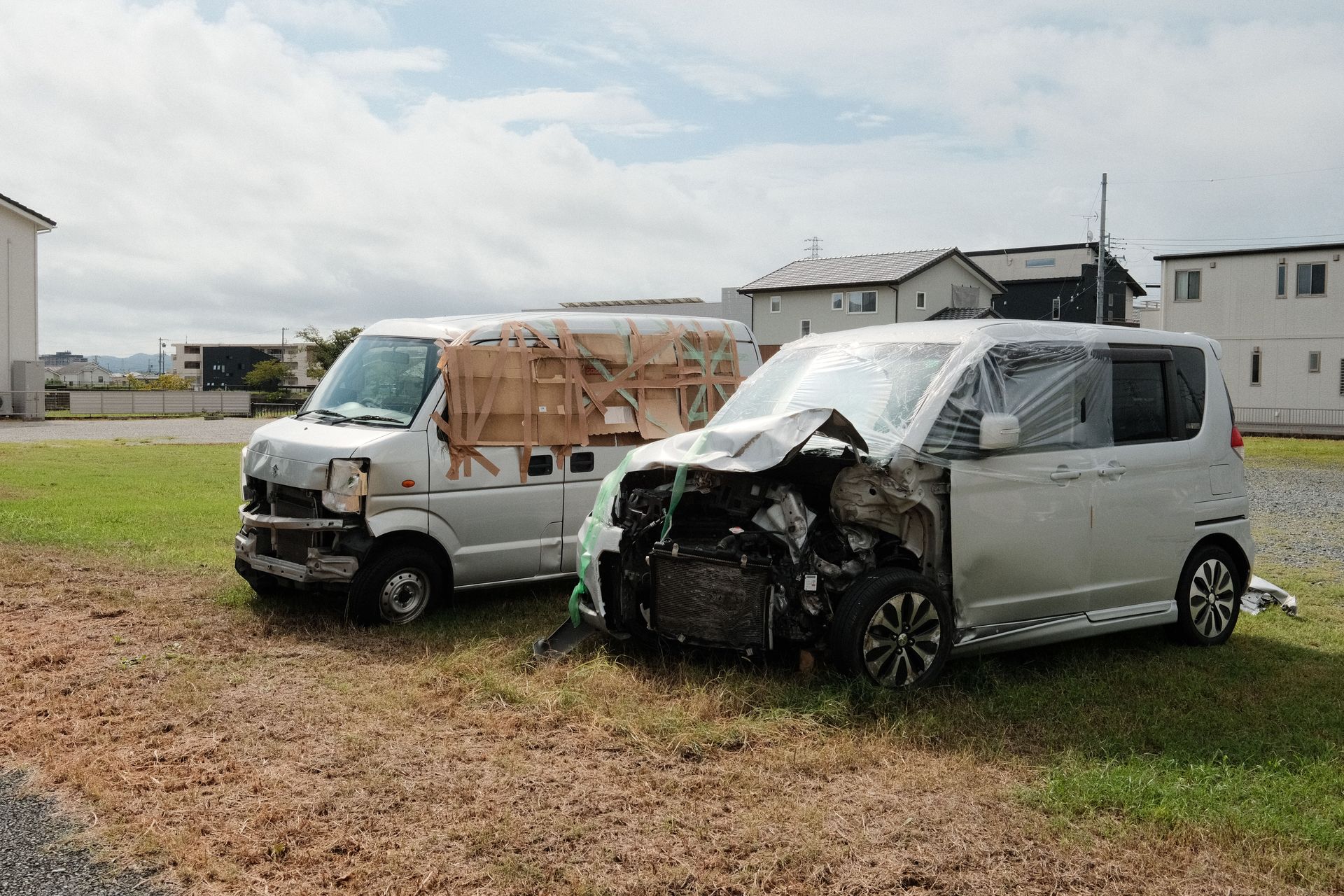
A car can look surprisingly normal after an accident and still have damage underneath. A cracked bumper or dented fender may be obvious, but the impact can also affect brackets, reinforcement bars, suspension components, sensors, wiring, cooling-system parts, and the vehicle's underlying structure. Some problems aren't visible until damaged panels are removed or the vehicle is put on a lift.
For drivers in Maryland, Virginia, and Washington, D.C., it's worth paying attention to how the vehicle looks, feels, and drives after any collision. Even a relatively low-speed accident can affect components you can't inspect from the parking lot. Here are some of the areas a collision repair technician may check and the warning signs you can watch for yourself.
A Bumper Can Hide More Damage Than You Think
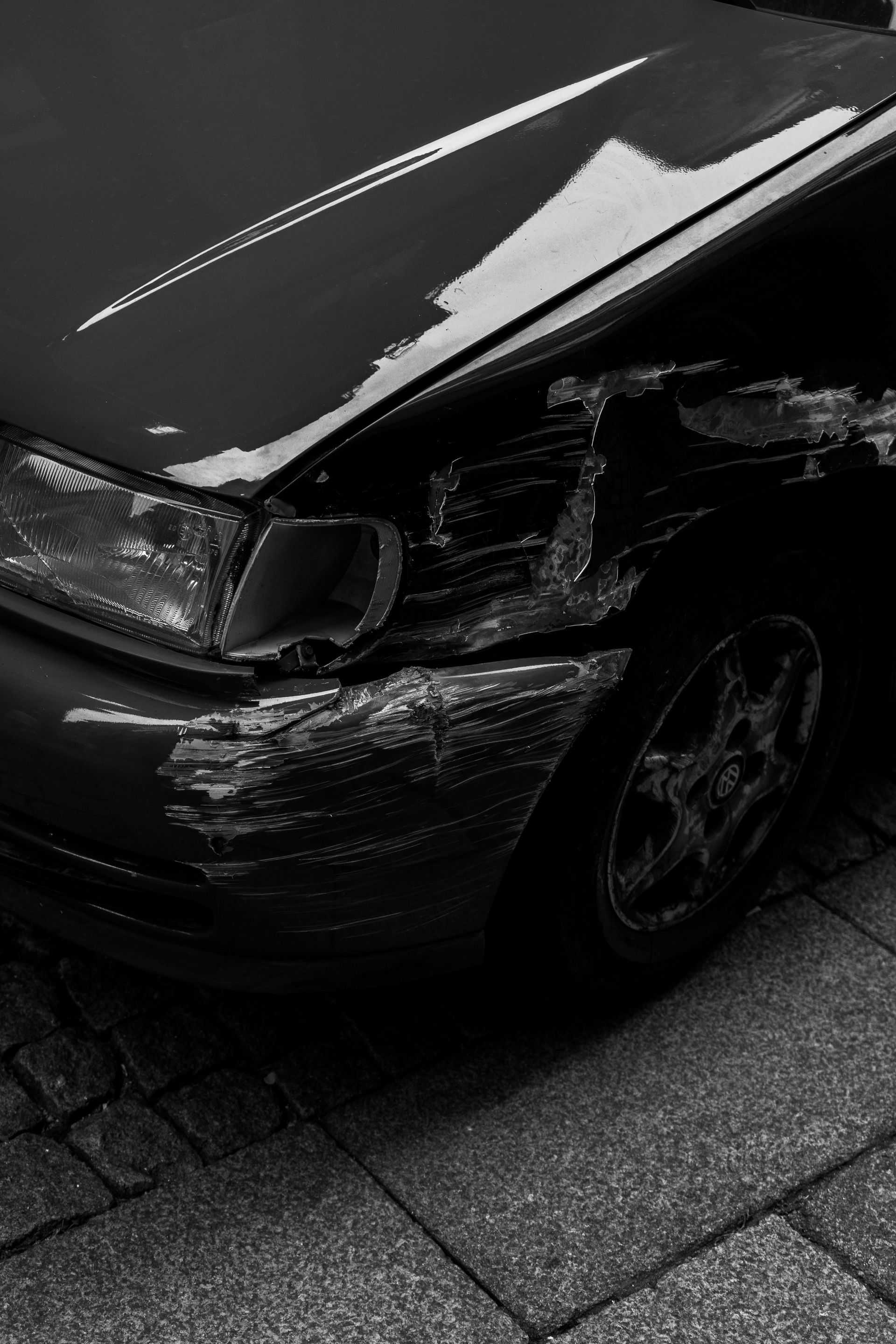
Modern bumpers are assemblies made from several parts. The painted plastic bumper cover you see from outside is only one of them. Behind it may be an absorber, reinforcement bar, brackets, mounting points, wiring, sensors, and portions of the vehicle's body structure.
The flexible outer cover can sometimes spring back after an impact, leaving only scratches or a small dent while components behind it remain bent, cracked, or displaced. That's one reason the severity of an accident shouldn't be judged only by how the bumper looks.
Look for a bumper that no longer sits evenly against adjacent panels, unusually large or uneven gaps, loose corners, or parking sensors that begin behaving differently. A technician may need to remove the bumper cover to see the full extent of the damage.
Alignment Problems May Point to Suspension Damage
If the vehicle starts pulling to one side after an accident, don't assume it only needs a routine wheel alignment. An impact with another vehicle, wheel, curb, or roadside object can damage or shift steering and suspension components.
Watch for a steering wheel that is no longer centered when you're traveling straight, pulling to either side, new vibration, unusual noises over bumps, or a vehicle that feels less stable than it did before the crash. Uneven tire position within a wheel opening can also indicate a problem worth inspecting.
An alignment measurement can help identify changes in wheel angles, but the cause needs to be understood before adjustments are made. Bent or damaged suspension components should be addressed rather than trying to compensate for them with alignment adjustments alone.
Structural Damage Isn't Always Obvious From Outside
A collision can transfer force well beyond the panel that was hit. Depending on the vehicle and direction of the impact, technicians may need to inspect structural rails, pillars, aprons, floor sections, mounting points, and other parts of the body structure.
Possible clues include doors that suddenly require more effort to close, a hood or liftgate that no longer lines up correctly, uneven panel gaps, new wind noise, or water entering the cabin or cargo area. These symptoms don't prove that the vehicle has serious structural damage, but they give a repair technician a reason to look more closely.
Modern vehicles also use different combinations of high-strength and ultra-high-strength steels, aluminum, and other materials. Manufacturers specify how particular structural areas should be measured, repaired, or replaced, so structural collision repair should follow the procedures written for that vehicle.
ADAS Sensors and Cameras Need Attention After a Collision
Many newer vehicles use Advanced Driver Assistance Systems, or ADAS, for features such as automatic emergency braking, adaptive cruise control, blind-spot monitoring, lane assistance, and parking aids. The cameras, radar units, and other sensors supporting these systems can be mounted in windshields, bumpers, mirrors, grilles, and other areas commonly affected during a collision.
A sensor doesn't necessarily have to look broken to require attention. Its mounting position can be altered by an impact or during the repair of surrounding components. Depending on the vehicle and repair, manufacturer procedures may call for scanning, aiming, programming, or calibration.
Pay attention to new dashboard warnings, parking sensors that activate for no apparent reason, unavailable driver-assistance features, or systems that behave differently after the accident. Don't assume a warning light will always appear when something is out of position.
Leaks Can Appear After You Leave the Accident Scene
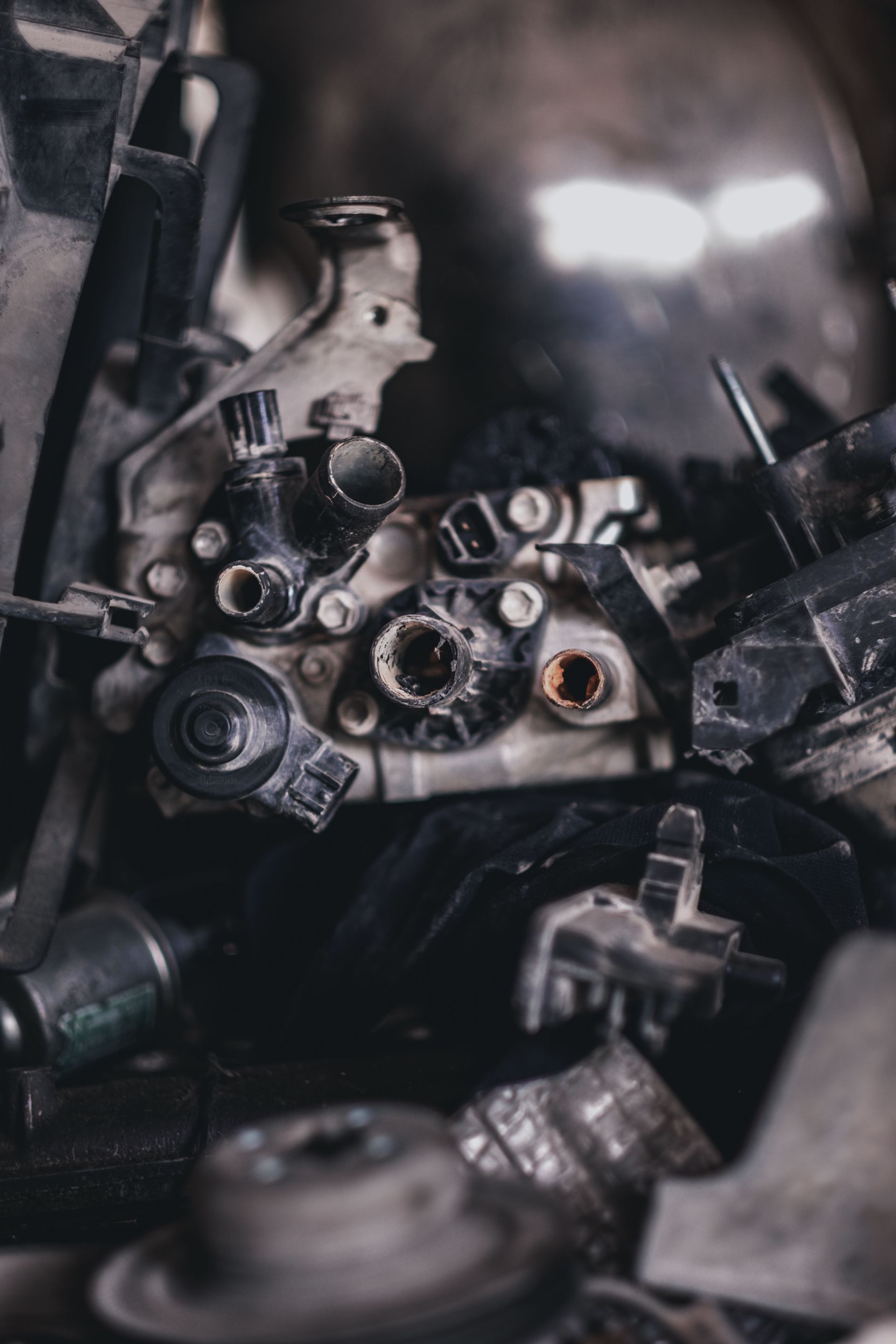
Check underneath the vehicle after it has been parked for a while. A collision can damage a radiator, condenser, coolant hose, fluid line, reservoir, oil pan, or other component without producing a dramatic leak immediately.
Not every puddle indicates a problem. Clear water beneath a vehicle after using the air conditioner can be normal condensation. Colored, oily, or strongly scented fluids deserve more attention, especially when they appear for the first time after an accident.
Also watch the temperature gauge and dashboard warning lights. If the engine begins overheating or you see a low-oil-pressure or other serious warning, continuing to drive can turn collision damage into engine damage. Pull over safely and arrange for the vehicle to be inspected or towed.
Check the Tires and Wheels Carefully
Damage to a wheel or tire can be easy to overlook when most of your attention is on a damaged bumper or body panel. Side impacts and collisions involving curbs are especially likely to send force through a wheel into the suspension.
Look for cuts, bulges, exposed cords, bent wheel edges, sudden pressure loss, or a tire that appears to sit at an unusual angle. New vibration at road speed can also indicate a wheel, tire, hub, or suspension problem.
If a tire has sidewall damage or is losing pressure after the collision, don't assume it's safe because it still holds enough air to drive. Tire damage can worsen, and a compromised tire may fail later at highway speed.
Headlights and Taillights Can Have Hidden Problems Too
A lamp assembly may still illuminate even when its housing or mounting tabs have been cracked. Moisture inside the lens, movement when you gently check the assembly, or a light that no longer sits flush with the surrounding bodywork can indicate damage.
Lighting has also become more complex. Some modern headlamp assemblies incorporate LED modules, adaptive lighting functions, control electronics, and other components. If the surrounding structure or mounting points have moved, simply seeing the light turn on doesn't confirm that everything is positioned correctly.
Listen for New Wind, Rattling, or Exhaust Noise
Your ears can tell you quite a bit after an accident. A new rattle may come from a loose shield, broken mounting clip, damaged exhaust hanger, or displaced body component. Wind noise around a door can indicate that its fit or seal has changed. Scraping from underneath the vehicle could come from a damaged splash shield, exhaust component, or underbody panel.
Make a note of when the sound occurs. Does it happen while turning, braking, accelerating, traveling over bumps, or only at highway speed? That information can help a technician narrow down the source instead of trying to reproduce a vague intermittent noise.
Why the First Insurance Estimate May Not Show Everything
An insurance estimate written from photos or an exterior inspection can only account for damage that can reasonably be identified at that stage. If a bumper cover hasn't been removed, for example, the estimator may not be able to confirm whether the absorber, reinforcement, brackets, or nearby components behind it were damaged.
Once a collision center begins disassembly, technicians can document additional accident-related damage. When appropriate, the shop can submit a supplemental estimate to the insurance company with photographs, measurements, repair procedures, and other supporting information. The insurer then reviews the additional work as part of the claim.
Finding hidden damage during disassembly doesn't automatically mean someone overlooked something during the original estimate. In many cases, access to the damaged area is what makes an accurate assessment possible.
Should You Drive the Vehicle After an Accident?
If you're unsure whether the vehicle is safe to drive, don't take a chance simply because it starts and moves. Visible fluid leaks, damaged tires, rubbing wheels, loose body parts, broken lights, overheating, steering problems, serious warning lights, or anything interfering with braking are good reasons to stop driving and arrange for a tow.
Even when the vehicle seems drivable, pay attention to anything that changed after the collision. A new vibration, warning message, pulling sensation, unusual noise, or problem with a driver-assistance system deserves an inspection.
Have Accident Damage Inspected at General Collision Center
The visible dent or cracked bumper is only the starting point for evaluating collision damage. A complete repair may require checking what happened behind the damaged panels, measuring affected areas, inspecting steering and suspension components, scanning vehicle systems, and identifying manufacturer procedures that apply to the repair.
If you've been in an accident in Maryland, Virginia, Washington, D.C., or elsewhere in the DMV area, contact General Collision Center to have the damage evaluated. Our team can inspect your vehicle, document accident-related damage, work through the repair process with your insurance company when applicable, and help identify problems that aren't obvious from a quick look at the exterior.