What Is Unibody Repair and Why It Matters
After a collision, the damage to your vehicle may extend far beyond dents, scratches, and broken exterior parts. On many modern cars, crossovers, and SUVs, the body itself is an important part of the vehicle's structural support. When that structure is damaged, professional unibody repair may be necessary to restore the vehicle properly.
Understanding unibody repair can help you make informed decisions after an accident. From vehicle alignment to structural integrity and crash performance, restoring a damaged unibody is about much more than making a vehicle look good again.
What Is a Unibody Vehicle?
A unibody vehicle uses a design in which the body and chassis work together as a single integrated structure. Instead of having a separate body mounted on top of a heavy frame, numerous structural components are connected to create one cohesive unit.
Most modern passenger cars, crossovers, and many SUVs use unibody construction. This approach can reduce weight while providing the strength, efficiency, and handling characteristics manufacturers want.
The structure also incorporates areas designed to manage collision forces. Because these components work together, damage to one structural area can affect other parts of the vehicle.
What Is Unibody Repair?
Unibody repair is the process of restoring damaged structural components of a unibody vehicle following a collision. Depending on the location and severity of the damage, this can involve careful measuring, straightening, pulling, sectioning, welding, or replacing specific structural components.
The objective is not simply to make damaged metal appear straight. A proper repair seeks to return the vehicle's structure to the dimensions and specifications established by its manufacturer.
At General Collision Center, computerized measuring systems can be used to compare a damaged vehicle with manufacturer specifications. Specialized equipment can then apply controlled force at precise locations to help restore the correct geometry.
How Is Unibody Construction Different From a Traditional Frame?
Unibody and body-on-frame vehicles are built differently, which means their collision repairs require different approaches.
Traditional body-on-frame construction uses a separate chassis, typically consisting of strong rails, with the vehicle body mounted on top. This design remains common on some trucks and larger SUVs.
With unibody construction, the structural body and chassis are integrated. Areas such as rails, pillars, rocker panels, and other welded components can contribute to the overall structure.
Because of this integration, unibody collision damage requires technicians to consider how an impact has affected the entire structure rather than focusing exclusively on the visibly damaged panel.
Why Is Proper Unibody Repair Important?
Your vehicle's structural components play an important role in how it drives and responds during a collision. Unibody vehicles incorporate engineered crush zones and load paths that are intended to manage impact energy.
If structural damage is not properly repaired, the vehicle may no longer perform as its manufacturer intended.
Improper structural repairs may also affect road performance and crashworthiness. That is why unibody repair requires accurate measurements, appropriate equipment, trained technicians, and careful attention to manufacturer-recommended repair procedures.
Restoring the structure correctly is an important part of returning a collision-damaged vehicle to the road.
What Are the Signs of Unibody Damage?
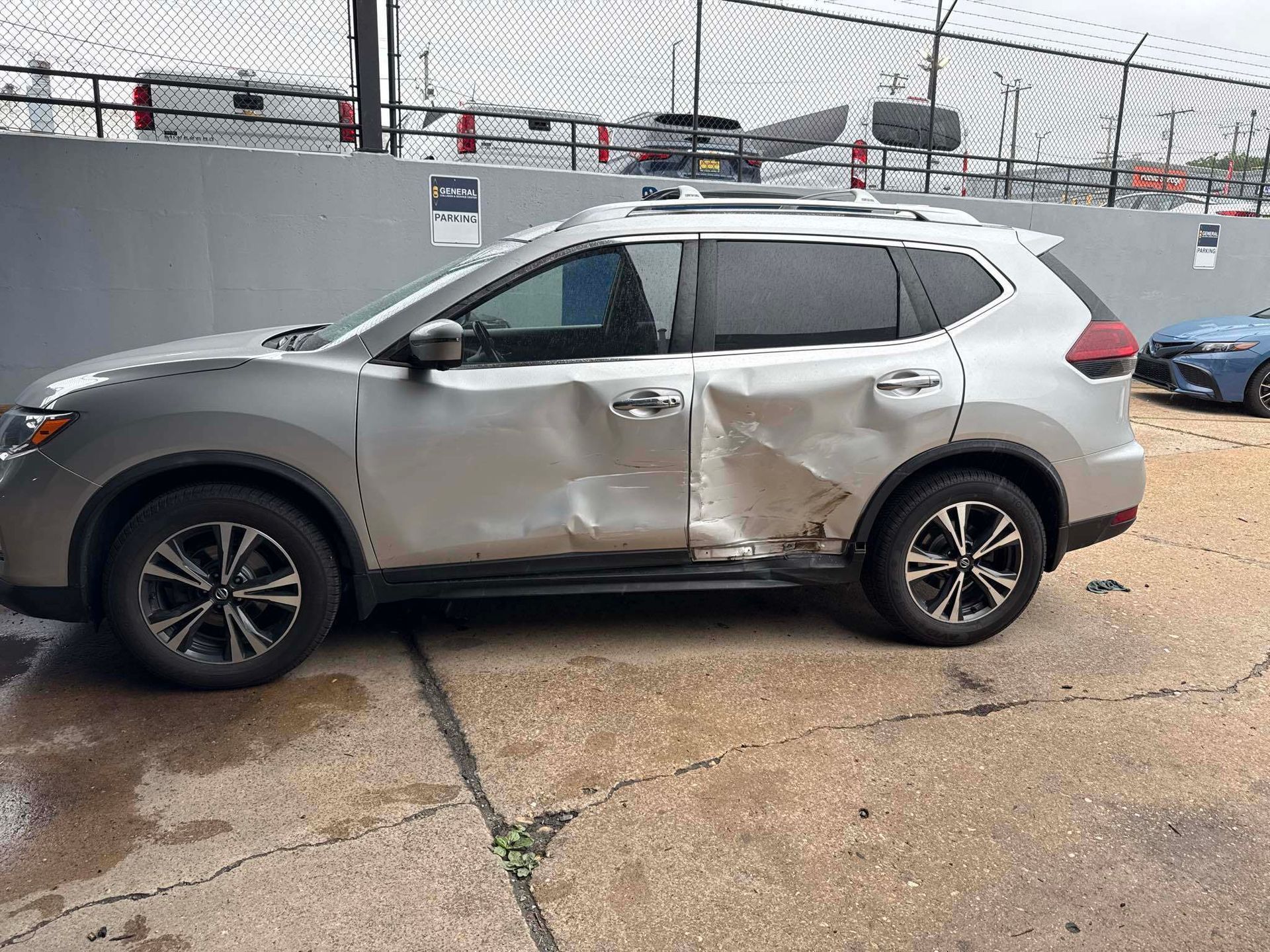
Structural damage is not always obvious after an accident. A vehicle may have unibody damage even when the exterior appears relatively normal.
Possible signs can include uneven gaps around doors, the hood, or trunk; unusual tire wear; steering or handling changes; visible buckling; or doors that no longer open and close normally. A vehicle that appears to sit unevenly can also warrant further inspection.
However, you should not rely solely on visible symptoms. Damage may be concealed behind exterior panels or underneath the vehicle.
After a significant collision, a professional inspection is the best way to determine the full extent of the damage.
How Do Collision Repair Technicians Measure Unibody Damage?
Accurate measurements are essential when assessing structural collision damage. Modern repair facilities can use computerized measuring technology to evaluate the position of structural points and compare those measurements with manufacturer specifications.
This process helps technicians identify areas that may have shifted during an impact, including damage that is difficult to detect visually.
Once technicians understand where the structure is out of specification, they can develop an appropriate repair plan. This removes much of the guesswork from structural repair and allows technicians to evaluate progress as the vehicle is restored.
How Is a Damaged Unibody Straightened?
When repair procedures allow straightening, specialized equipment is used to apply controlled force to damaged areas.
A vehicle may be secured to frame straightening equipment so technicians can make carefully planned pulls. Hydraulic equipment allows force to be applied at specific points while technicians monitor measurements.
The process requires precision. Applying force incorrectly can potentially cause additional damage, particularly because modern vehicles can contain advanced high-strength materials.
In some situations, straightening is not the appropriate solution. Manufacturer procedures may instead require a damaged structural component to be replaced or sectioned at an approved location.
Can Unibody Damage Affect Wheel Alignment and Handling?
Yes. A vehicle's suspension and other mechanical components are connected to or supported by structural areas of the vehicle. If those areas move during a collision, the effects can potentially influence wheel geometry, steering, tire wear, and handling.
This is one reason an alignment alone may not solve every post-collision problem. If the underlying structure is out of specification, technicians first need to identify and address the source of the issue.
Proper structural measurement helps determine whether the vehicle's mounting points and dimensions have been restored before related systems are evaluated and adjusted.
Can a Vehicle With Unibody Damage Be Repaired Safely?
Many vehicles with unibody damage can be repaired, but the answer depends on the extent and location of the damage, the materials involved, manufacturer procedures, and the overall condition and value of the vehicle.
Professional technicians must evaluate the damage before determining the appropriate repair strategy. Severe structural damage may require replacement of certain components rather than straightening.
In other cases, repair costs may approach the vehicle's market value, and an insurance company could determine that the vehicle is a total loss.
A qualified collision repair facility can document the damage, develop a repair plan, and work with the insurance provider when applicable.
Schedule Unibody Repair With General Collision Center
Unibody repair is one of the most important aspects of modern collision repair. Your vehicle may look fine from a distance while still having structural damage hidden beneath its exterior panels. Getting that damage properly inspected and repaired can help restore the vehicle's alignment, structural integrity, and intended performance.
General Collision Center provides collision and structural repair for all makes and models. Our team follows manufacturer-recommended procedures and uses modern equipment to identify both visible and hidden collision damage. We also work with insurance companies and can help coordinate your repair process from beginning to end.
If your vehicle has been involved in an accident, do not leave potential structural damage to chance. Call General Collision Center at (443) 478-5000 today to schedule an inspection, request a repair estimate, and let our collision repair team help you get safely back on the road.