OEM vs Aftermarket Parts in Collision Repair
OEM vs. Aftermarket Car Parts
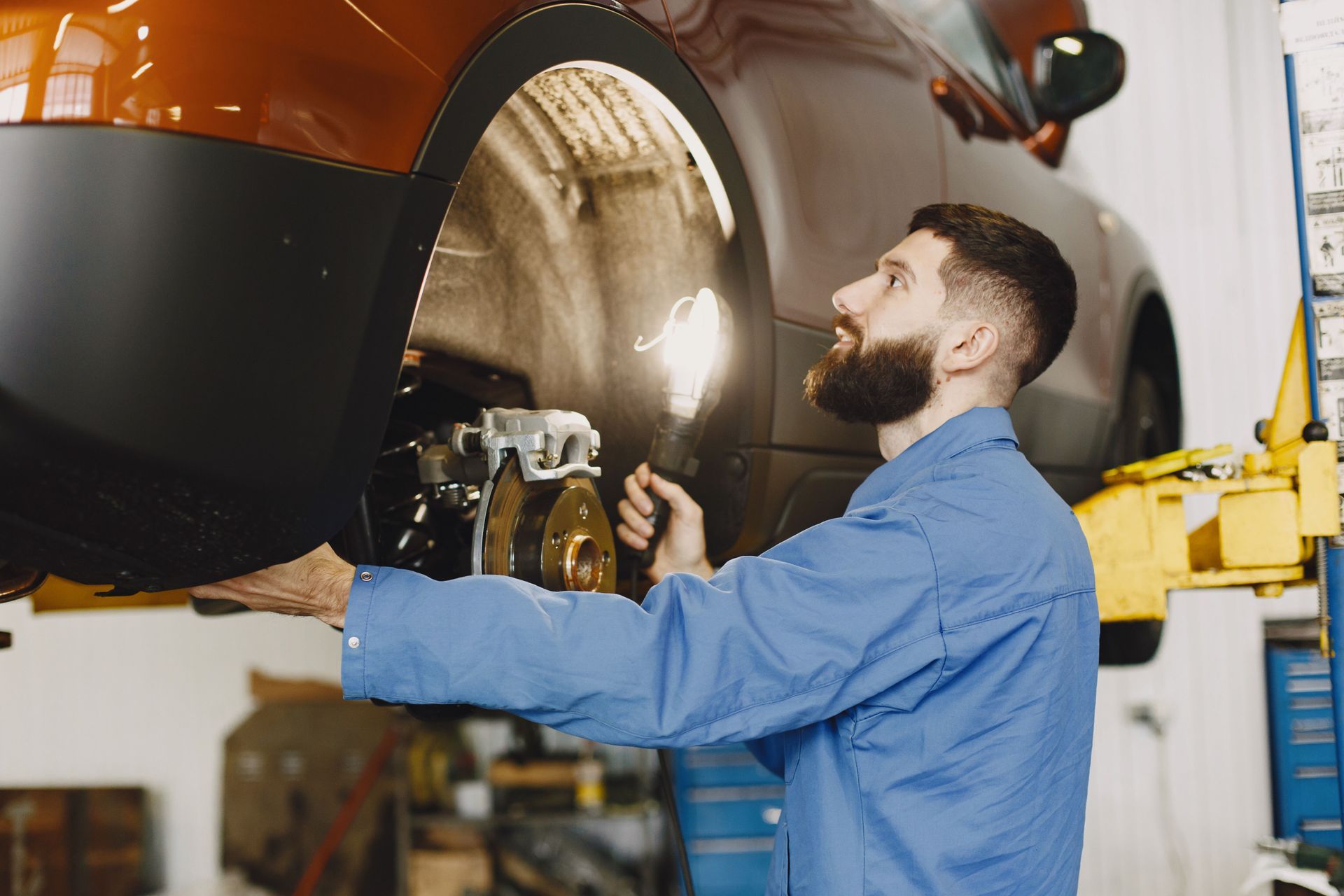
When your vehicle needs a repair or routine maintenance, you are quickly faced with a significant decision: should you use Original Equipment Manufacturer (OEM) parts or aftermarket parts? Whether you are replacing a cracked bumper after a fender bender, swapping out worn brake pads, or replacing a faulty alternator, the components you choose will impact your vehicle's performance, safety, and your wallet.
Understanding the differences between OEM and aftermarket components helps you make an informed decision based on your specific vehicle, budget, and long-term repair goals.
Understanding the Basics: What Are OEM and Aftermarket Parts?
Before weighing the pros and cons of each option, it is helpful to establish exactly what these terms mean in the automotive industry.
Original Equipment Manufacturer (OEM) Parts
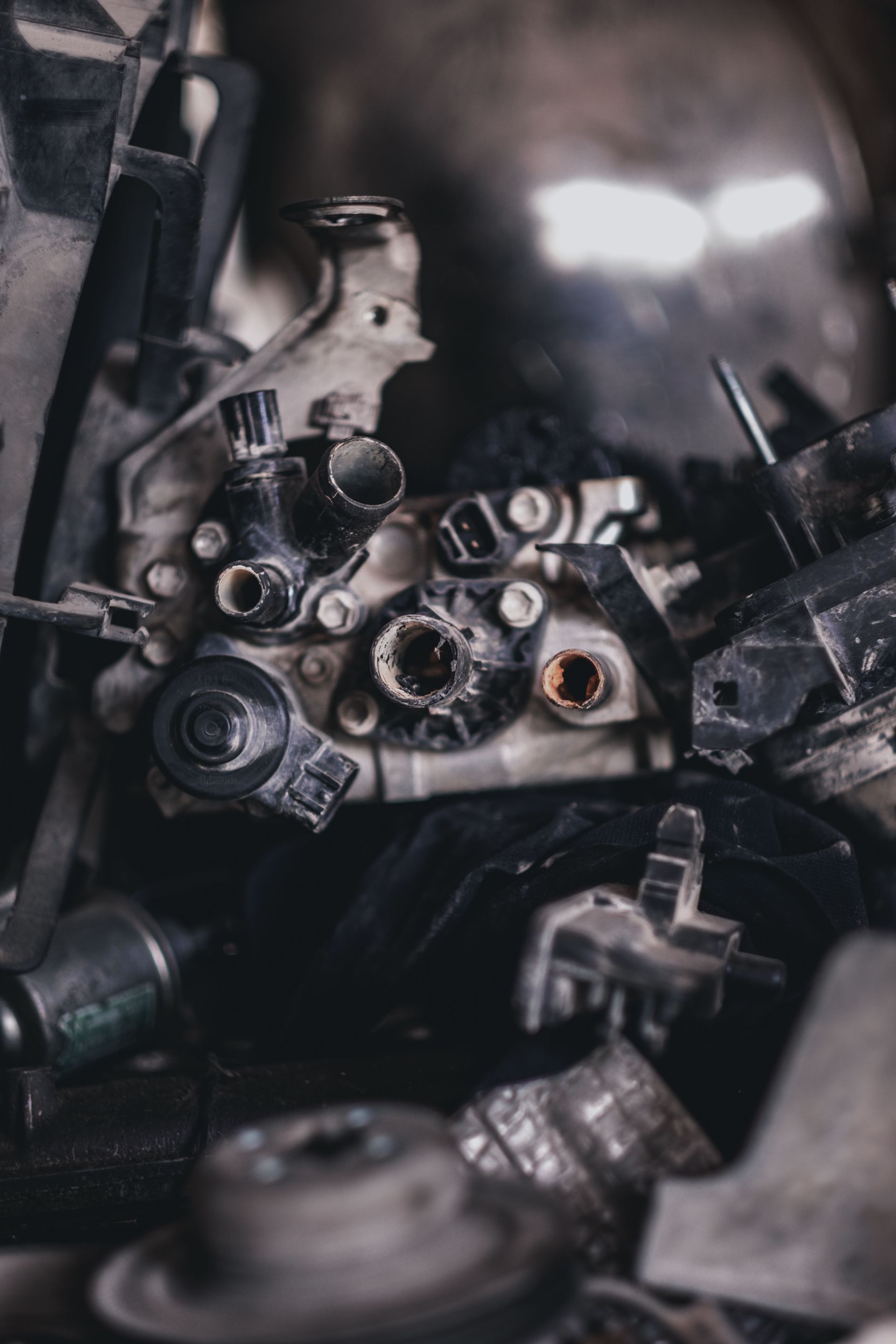
OEM parts are produced directly by your vehicle’s manufacturer or by an outside supplier contracted by the automaker to build them to exact factory specifications. Essentially, an OEM part is identical to the component that was installed on your car when it first rolled off the assembly line. Because they are authorized factory replacements, they are typically distributed through authorized dealerships and specialized retail channels.
Aftermarket Parts
Aftermarket parts are manufactured by third-party companies completely separate from the original automaker. These companies design their components to fit and function just like the original equipment, but they often use different materials, finishes, or alternative internal designs. The aftermarket segment is incredibly diverse; it includes everything from major national replacement brands to performance-oriented engineering firms and low-cost alternative manufacturers.
Cost Differences: The Price of a Brand Name vs. Market Competition
For most drivers, the immediate and most noticeable difference between OEM and aftermarket components is the price tag.
The Premium Price of OEM
OEM components almost always carry a higher price point than their aftermarket equivalents. Data reveals that OEM body panels can cost roughly 50% more than alternative options. This premium price stems from several factors:
- You are paying for the automaker’s brand name and official backing.
- The parts undergo proprietary, vehicle-specific quality assurance tests.
- Dealership distribution networks traditionally have higher operational markups than standard retail channels.
The Competitive Savings of Aftermarket Options
Conversely, aftermarket alternatives frequently cost 20% to 50% less than a matching OEM part. Because multiple third-party companies often manufacture the exact same type of spark plug, radiator, or oil filter, healthy market competition naturally drives retail prices down. This makes aftermarket components an attractive, budget-friendly option—especially for older vehicles that are out of warranty where minimizing total repair costs is a primary objective.
Quality and Performance: Is Higher Cost Equal to Better Reliability?
A common misconception among drivers is that a lower price tag automatically translates to inferior quality. However, automotive repair experts note that this is not necessarily the case.
Predictable Consistency with OEM
With OEM parts, you benefit from total predictability. Because the part was engineered specifically for your exact make, model, and trim level, it is guaranteed to offer an exact match in fitment, performance, and structural integrity. This absolute consistency provides peace of mind, particularly when dealing with complex electronic systems, advanced sensors, or engine control units (ECUs) that rely on highly precise manufacturer calibration.
The Variable Spectrum of Aftermarket Engineering
The quality of aftermarket parts exists on a wide spectrum, ranging from entry-level economy brands to high-performance upgrades:
- The "Reverse-Engineering" Advantage: Many reputable aftermarket companies reverse-engineer factory components to identify and eliminate inherent design weaknesses. For example, if an automaker’s original brake pads wear out too quickly or create excessive dust, an aftermarket manufacturer might alter the friction material compound to deliver extended durability or superior stopping power.
- The Risk of Lower-Tier Brands: On the flip side, some budget-focused manufacturers reduce retail costs by utilizing cheaper metals, plastics, or rubber compounds. While these parts may physically fit your vehicle, they might wear out faster, skip rigorous testing, or lack the refined performance of a premium component. Sticking to trusted, established brands is essential if you decide to go the aftermarket route.
Variety, Availability, and Selection Overwhelm
The logistics of sourcing your parts can also influence which direction you choose during a repair.
Selection and Logistics
Because hundreds of companies compete in the aftermarket industry, there is an immense variety of parts available. You can walk into almost any local auto parts store, neighborhood garage, or online marketplace and find multiple aftermarket options ready to ship or purchase immediately. This extensive distribution network means parts are heavily stocked across thousands of regional warehouses, often resulting in quicker turnaround times for your repair.
However, this massive inventory can easily overwhelm everyday drivers. If you do not know the technical specifications of your vehicle, choosing between dozens of different spark plugs or air filters can feel like a guessing game.
Sourcing Factory Parts
OEM sourcing is highly streamlined. If you look up a part at a dealership counter, you will be presented with exactly one option that is guaranteed to work. The downside is availability: OEM components are generally restricted to dealership parts departments and select online wholesalers. If a specific component is backordered, it must be pulled from a limited number of automotive manufacturing hubs, which can occasionally delay your vehicle's repair timeline.
Warranty, Leasing, and Structural Insurance Policies
Choosing between these two categories involves critical financial and legal protections, particularly regarding vehicle warranties and insurance claims.
Factory Warranties and Leases
Most auto manufacturers back their OEM components with a standardized one-year warranty on the part itself, and dealerships frequently guarantee the associated labor. Furthermore, if your vehicle is currently leased, your lease agreement may legally obligate you to use only genuine factory parts for all structural and mechanical repairs. Because aftermarket components can lower a vehicle's book value, utilizing them for major body repairs could result in a penalty or the loss of your security deposit when you return the vehicle.
Insurance Adjusters and State Laws
When it comes to automotive collision repairs, insurance companies heavily favor aftermarket alternatives because they significantly lower the overall payout of the claim. It is important to know your local consumer rights: in 21 states and the District of Columbia, auto body repair estimates are not legally required to explicitly state whether aftermarket components are being integrated into your vehicle. If you firmly prefer factory parts for a claim, you may have to request them explicitly or pay an additional out-of-pocket fee to cover the price difference from the insurer's baseline coverage.
Which One Is Better for Your Car?
Ultimately, there is no single option that is universally "better" for every vehicle scenario. The optimal choice depends entirely on the age of your vehicle, the type of repair needed, and your personal priorities.
Choose OEM if:
- Your car is newer, leased, or still under factory warranty: Using factory components preserves your structural agreements and eliminates potential warranty coverage disputes.
- You are dealing with structural collision damage: For vital exterior body panels, structural members, and bumpers, OEM components ensure exact alignment, proper paint adhesion, and factory-tested crumple zones designed to protect you during an accident.
- You need highly complex electronics: Systems like safety sensors, cameras, and engine computers function best with original factory calibration.
Choose Aftermarket if:
- Your vehicle is older or out of warranty: Sourcing dependable aftermarket parts allows you to keep an aging vehicle running reliably without spending more than the car's depreciated value.
- You are conducting routine maintenance: Components like cabin air filters, windshield wiper blades, and accessory belts from reputable aftermarket brands perform flawlessly at a fraction of dealership prices.
- You want a performance upgrade: High-end aftermarket brakes, suspension kits, or exhaust systems can actively outperform the original factory components.
Restore Your Car to Factory Standards at General Collision Center
Navigating insurance paperwork and selecting the right parts after an accident can be incredibly stressful. At General Collision Center, we take the guesswork out of the repair process. Our team of certified technicians is dedicated to restoring your vehicle to its pre-accident condition using precise, high-quality components that prioritize your safety and your car's long-term resale value.
Don't let vehicle damage slow you down. Contact our team today to clear up your repair options, receive a transparent estimate, and keep your vehicle performing beautifully for years to come.