Blog
Read the latest news and updates from General Collision Center
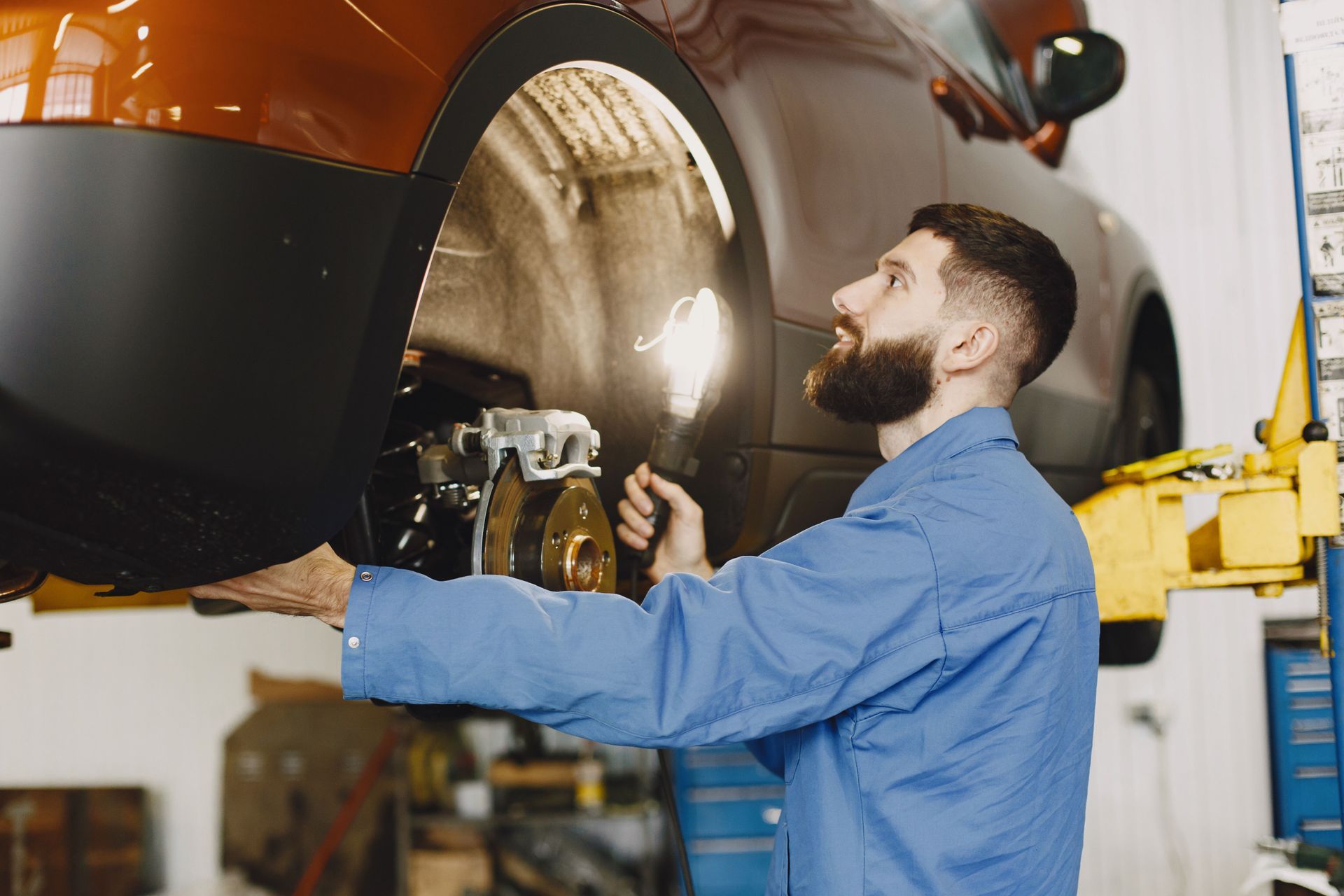
After a car accident, there will be the obvious damage and the not-so-obvious damage. Be sure that everything gets addressed as you go through the repair process.
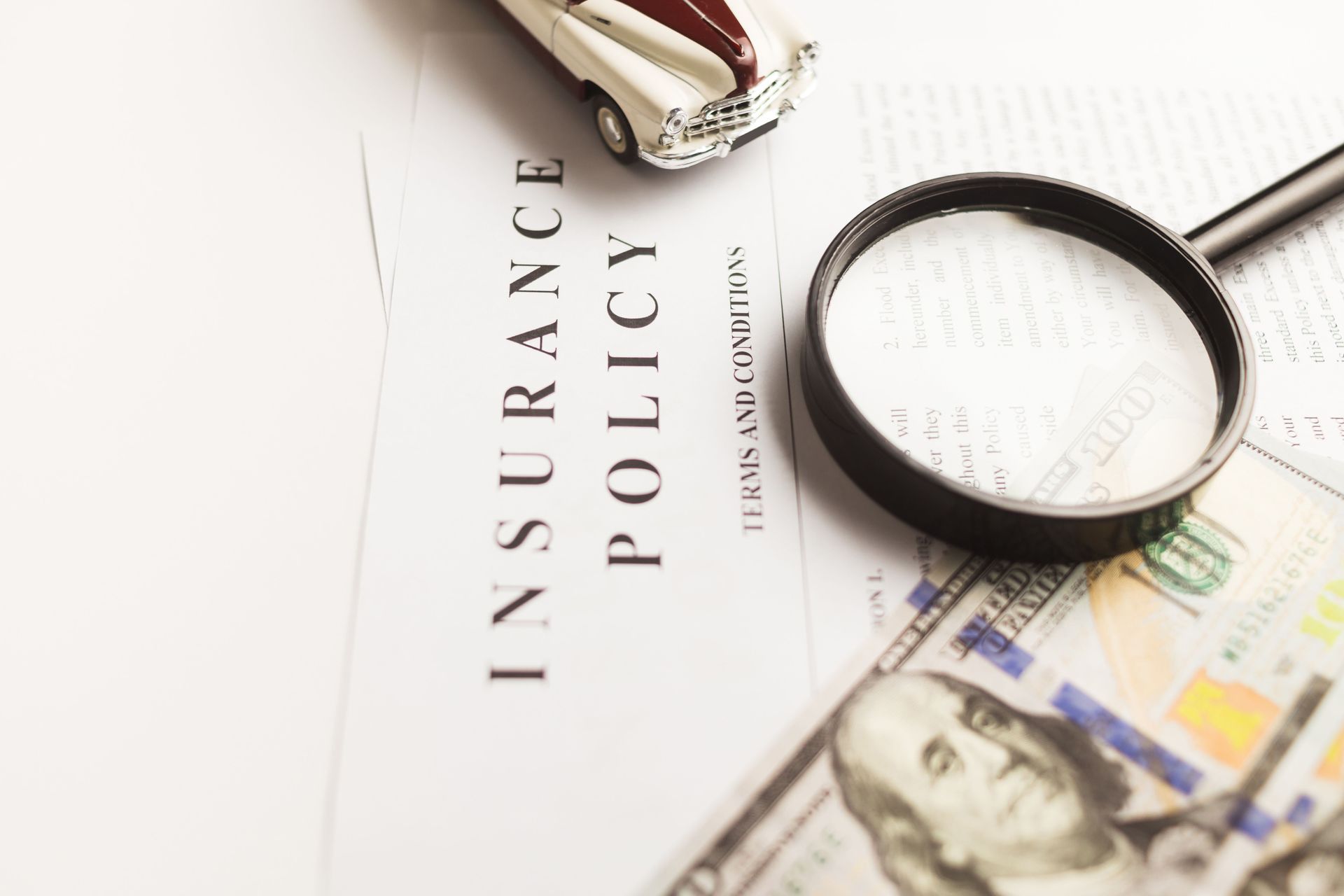
Whether or not your insurance will pay for collision repairs depends a lot on the policy. Find out more about the different types and what to expect from yours.
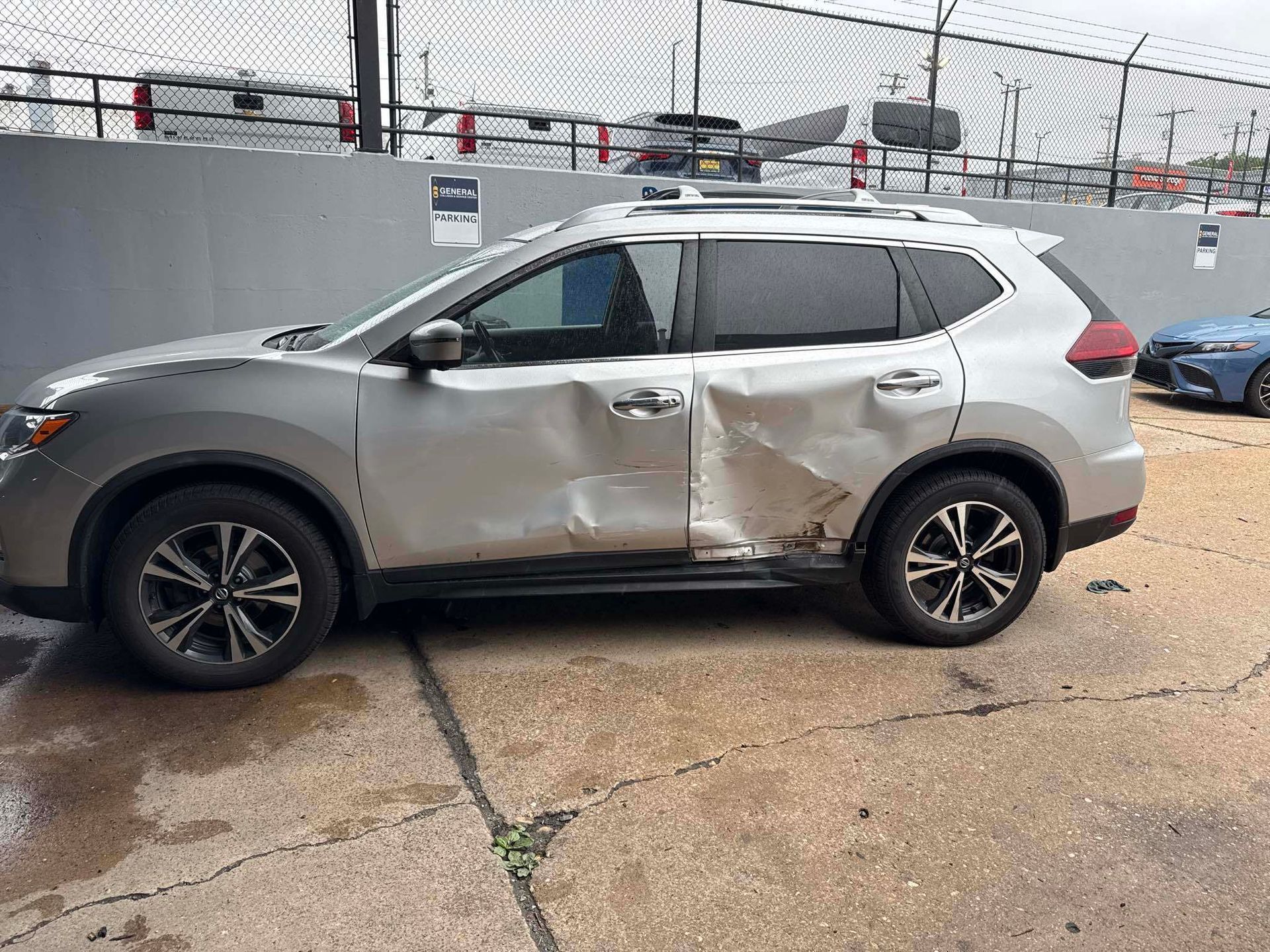
When you're in a vehicle accident, it's hard to know what you should do right away. It's best to have a plan beforehand. Read this step-by-step list to get it right.
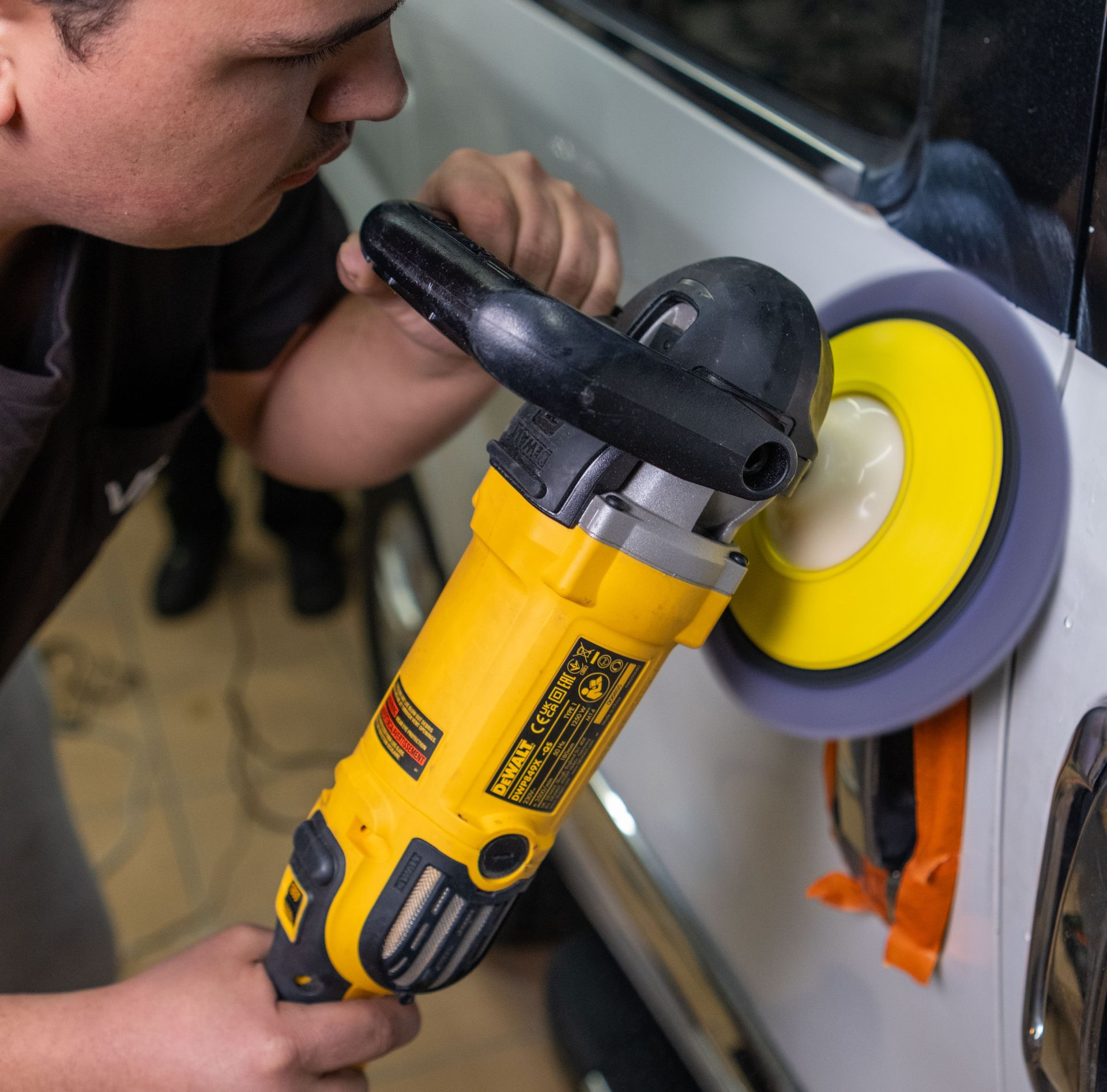
Do you have to use the body shop your Insurance recommends? Read on to find out what the recommendations are about, and what your options really are.
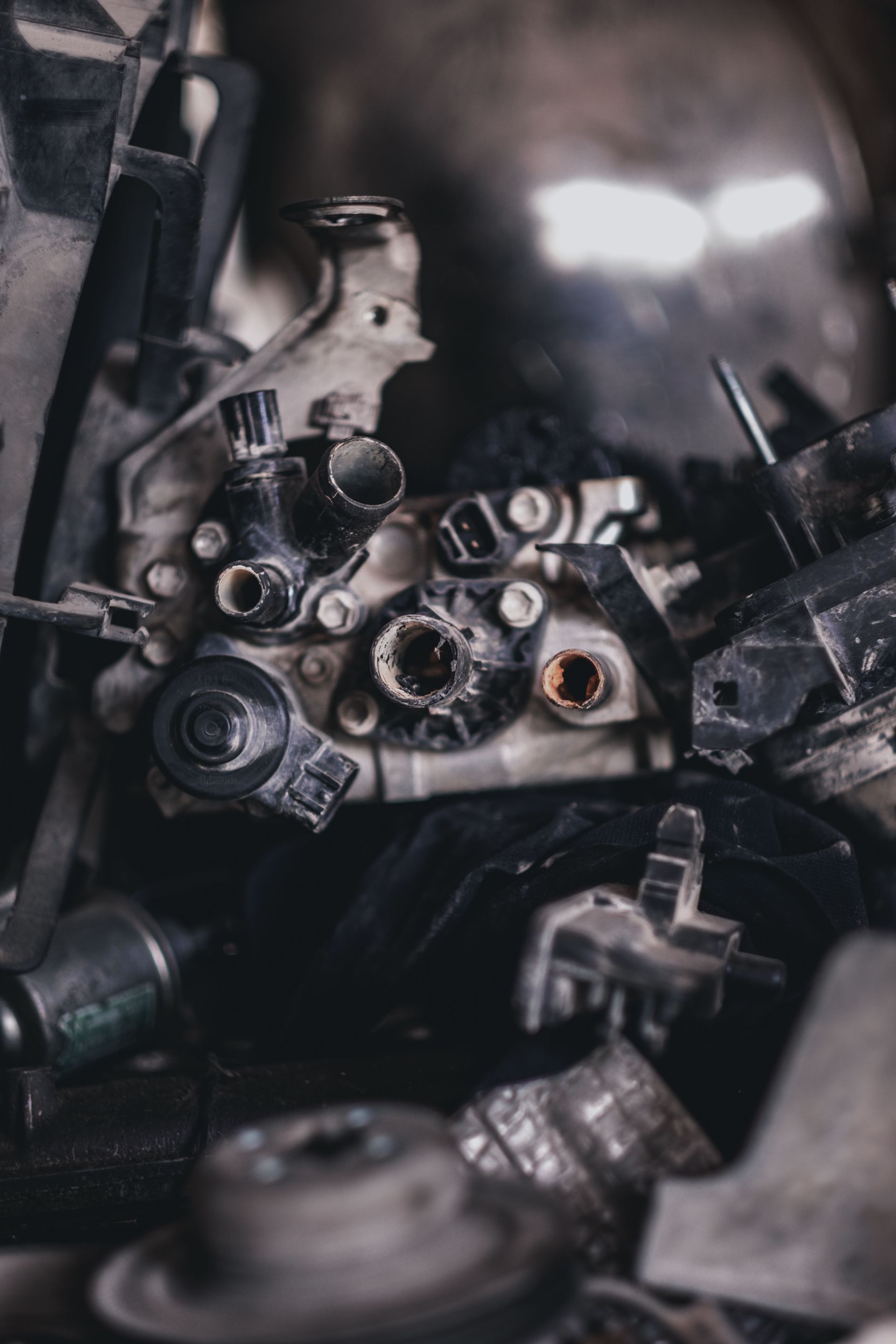
You have a lot of decisions to make when your vehicle is getting repaired after an accident. One question is whether or not it's a good idea to use non-OEM parts.
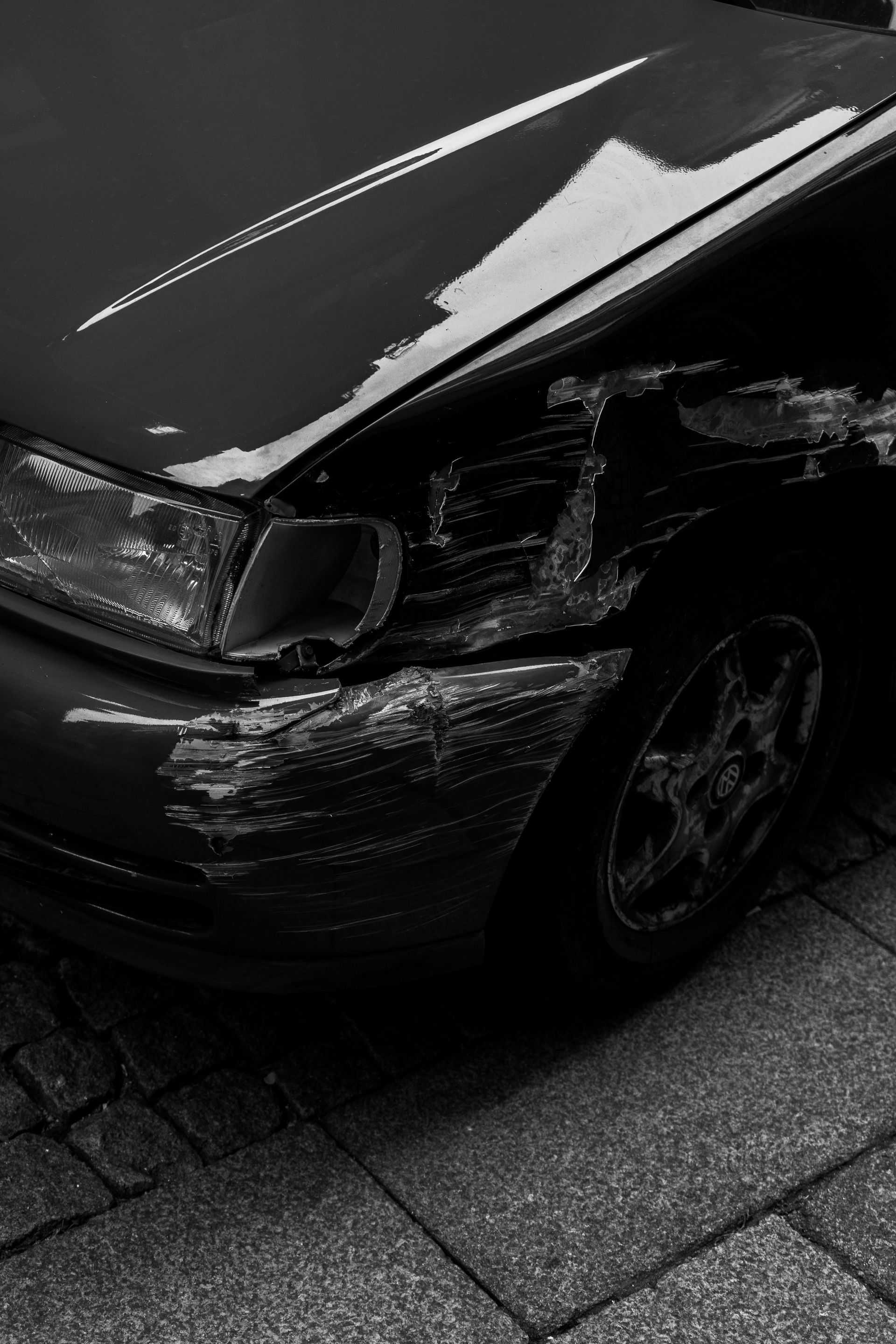
After a car accident, the vehicle's frame can sometimes take serious damage. Is it worth fixing it, and will it be safe?
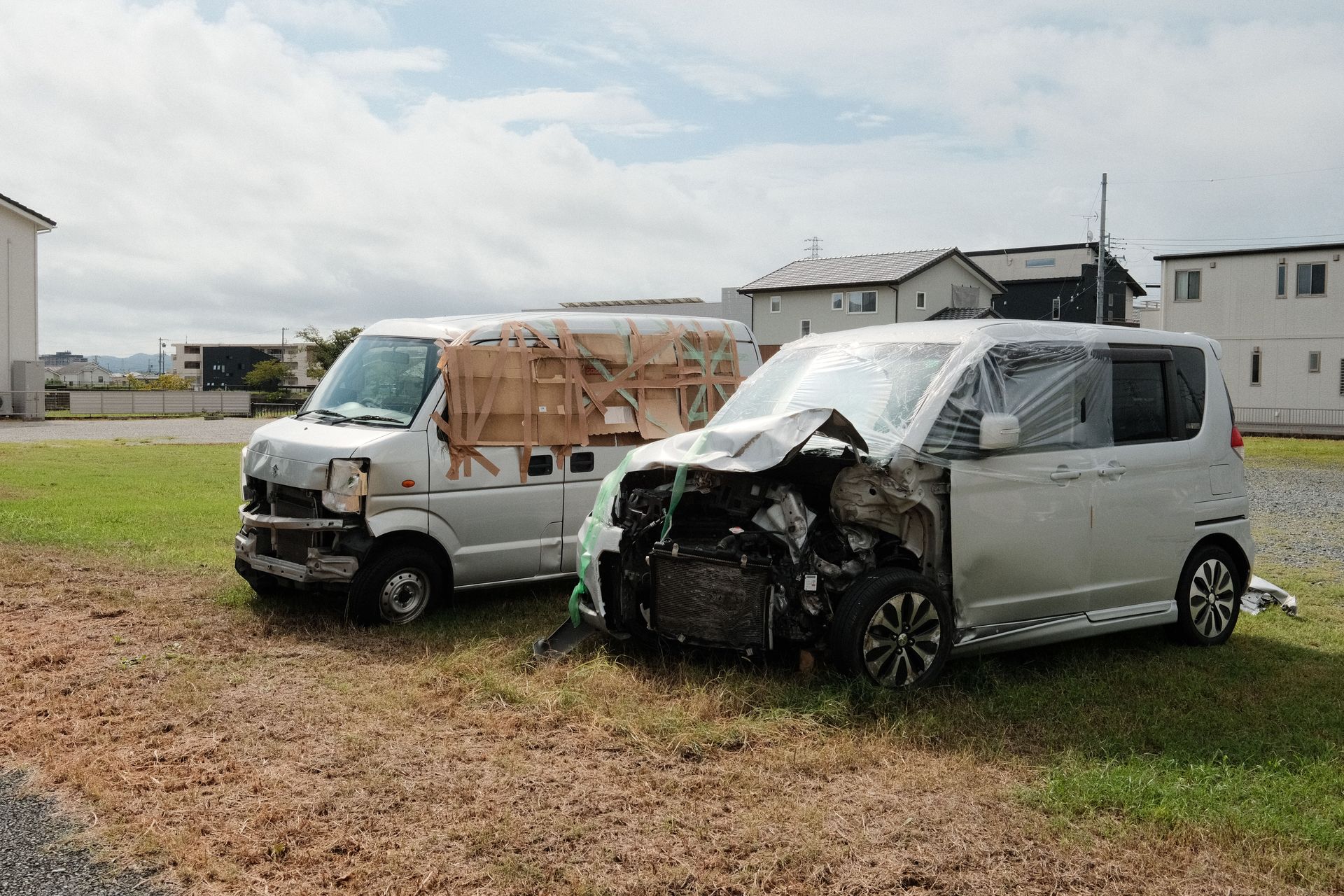
Getting into a car accident, whether it is a major highway collision or a minor parking lot fender bender, is an jarring experience. In the immediate aftermath, adrenaline spikes, making it difficult to think clearly. However, the actions you take and the specific details you look for in those first few hours and days are critical. Failing to spot hidden vehicle damage, missing subtle physical symptoms, or forgetting to gather key evidence can lead to major headaches down the road, from denied insurance claims to unresolved medical issues. To help you navigate this stressful situation seamlessly, we have compiled a definitive checklist of what to look for after an accident based on expert advice from automotive and insurance leaders. Look for Specific Information to Document at the Scene To ensure a smooth claims process, you need to gather precise facts. While waiting for the authorities to arrive, look for and record the following essential information: Driver and Passenger Details: Swap full names, addresses, and phone numbers with the other driver. Insurance Specifications: Document the insurance provider's name, policy number, and customer service contact details. Vehicle Identifiers: Look for and write down the exact make, model, color, license plate number, and Vehicle Identification Number (VIN) of all involved cars. Witness Contact Data: If bystanders stopped to help, politely request their names and phone numbers. Third-party statements are incredibly valuable when insurance adjusters are determining fault. Look for Hidden Vehicle Damage Just because your vehicle looks drivable doesn't mean it is completely safe. Modern vehicles feature complex crumple zones designed to absorb structural impact, meaning internal components can easily break while the exterior plastic bumper looks relatively untouched. When inspecting a vehicle after an accident, a certified technician looks closely at several critical areas of concern, beginning with the frame and structural integrity. The expert checks for misaligned frames and bent chassis components hidden beneath the outer body panels; this is vital because any structural compromise severely reduces the vehicle’s ability to protect you in a future crash. Next, they evaluate the wheel alignment and suspension, checking for signs like the vehicle pulling to one side while driving, steering wheel vibrations, or tracking unevenly. Catching these alignment issues early matters because they cause rapid tire wear and can severely impact your overall handling and braking control. Technicians also thoroughly test the vehicle's advanced safety systems, searching for damaged backup cameras, faulty blind-spot sensors, or uncalibrated radar units. Ensuring these high-tech systems are functioning properly is essential, as hidden electrical or sensor damage can cause your driver-assist features to fail entirely or trigger incorrectly at the wrong moment. Finally, the expert reviews the mechanical system integrity, searching for small radiator leaks, compromised transmission lines, or hairline cracks in the battery housing. Identifying these issues right away is crucial because, if left unnoticed, even minor fluid leaks can ultimately result in catastrophic engine or transmission failure down the road. Look for Clear Next Steps to Resolve the Incident Once you leave the scene, the path to recovery involves managing data and keeping your administrative steps organized. Keep an eye on these concluding tasks: File a Claim Promptly: Contact your car insurance provider right away to report the incident, regardless of who caused it. Provide them with the scene photos, driver details, and the police report number to get the claims process rolling. Maintain an Organized File: Keep all physical and digital records together in one safe place. This folder should hold medical evaluation notes, vehicle repair estimates, towing receipts, and direct communications from claims representatives. Ready to Ensure Your Vehicle is Truly Safe? Contact General Collision Center Today Don't gamble with your safety or your vehicle's long-term performance after an accident. Even minor fender benders can leave behind hidden structural, mechanical, or alignment issues that only a trained eye can spot. Let the certified repair specialists at General Collision Center give you complete peace of mind. Our expert team handles everything from precision frame realignments and advanced safety system recalibrations to seamless paint and body repairs. We work directly with your insurance provider to streamline your claims process, getting you back on the road safely, quickly, and with minimal stress. Don't wait for hidden damage to become an expensive headache. Contact General Collision Center today to request a comprehensive post-accident vehicle inspection, or call our team directly to speak with a collision repair expert about your vehicle. Let us handle the restoration so you can focus on moving forward!
After a car accident, there will be the obvious damage and the not-so-obvious damage. Be sure that everything gets addressed as you go through the repair process.
Whether or not your insurance will pay for collision repairs depends a lot on the policy. Find out more about the different types and what to expect from yours.
When you're in a vehicle accident, it's hard to know what you should do right away. It's best to have a plan beforehand. Read this step-by-step list to get it right.
Do you have to use the body shop your Insurance recommends? Read on to find out what the recommendations are about, and what your options really are.
You have a lot of decisions to make when your vehicle is getting repaired after an accident. One question is whether or not it's a good idea to use non-OEM parts.
After a car accident, the vehicle's frame can sometimes take serious damage. Is it worth fixing it, and will it be safe?
Getting into a car accident, whether it is a major highway collision or a minor parking lot fender bender, is an jarring experience. In the immediate aftermath, adrenaline spikes, making it difficult to think clearly. However, the actions you take and the specific details you look for in those first few hours and days are critical. Failing to spot hidden vehicle damage, missing subtle physical symptoms, or forgetting to gather key evidence can lead to major headaches down the road, from denied insurance claims to unresolved medical issues. To help you navigate this stressful situation seamlessly, we have compiled a definitive checklist of what to look for after an accident based on expert advice from automotive and insurance leaders. Look for Specific Information to Document at the Scene To ensure a smooth claims process, you need to gather precise facts. While waiting for the authorities to arrive, look for and record the following essential information: Driver and Passenger Details: Swap full names, addresses, and phone numbers with the other driver. Insurance Specifications: Document the insurance provider's name, policy number, and customer service contact details. Vehicle Identifiers: Look for and write down the exact make, model, color, license plate number, and Vehicle Identification Number (VIN) of all involved cars. Witness Contact Data: If bystanders stopped to help, politely request their names and phone numbers. Third-party statements are incredibly valuable when insurance adjusters are determining fault. Look for Hidden Vehicle Damage Just because your vehicle looks drivable doesn't mean it is completely safe. Modern vehicles feature complex crumple zones designed to absorb structural impact, meaning internal components can easily break while the exterior plastic bumper looks relatively untouched. When inspecting a vehicle after an accident, a certified technician looks closely at several critical areas of concern, beginning with the frame and structural integrity. The expert checks for misaligned frames and bent chassis components hidden beneath the outer body panels; this is vital because any structural compromise severely reduces the vehicle’s ability to protect you in a future crash. Next, they evaluate the wheel alignment and suspension, checking for signs like the vehicle pulling to one side while driving, steering wheel vibrations, or tracking unevenly. Catching these alignment issues early matters because they cause rapid tire wear and can severely impact your overall handling and braking control. Technicians also thoroughly test the vehicle's advanced safety systems, searching for damaged backup cameras, faulty blind-spot sensors, or uncalibrated radar units. Ensuring these high-tech systems are functioning properly is essential, as hidden electrical or sensor damage can cause your driver-assist features to fail entirely or trigger incorrectly at the wrong moment. Finally, the expert reviews the mechanical system integrity, searching for small radiator leaks, compromised transmission lines, or hairline cracks in the battery housing. Identifying these issues right away is crucial because, if left unnoticed, even minor fluid leaks can ultimately result in catastrophic engine or transmission failure down the road. Look for Clear Next Steps to Resolve the Incident Once you leave the scene, the path to recovery involves managing data and keeping your administrative steps organized. Keep an eye on these concluding tasks: File a Claim Promptly: Contact your car insurance provider right away to report the incident, regardless of who caused it. Provide them with the scene photos, driver details, and the police report number to get the claims process rolling. Maintain an Organized File: Keep all physical and digital records together in one safe place. This folder should hold medical evaluation notes, vehicle repair estimates, towing receipts, and direct communications from claims representatives. Ready to Ensure Your Vehicle is Truly Safe? Contact General Collision Center Today Don't gamble with your safety or your vehicle's long-term performance after an accident. Even minor fender benders can leave behind hidden structural, mechanical, or alignment issues that only a trained eye can spot. Let the certified repair specialists at General Collision Center give you complete peace of mind. Our expert team handles everything from precision frame realignments and advanced safety system recalibrations to seamless paint and body repairs. We work directly with your insurance provider to streamline your claims process, getting you back on the road safely, quickly, and with minimal stress. Don't wait for hidden damage to become an expensive headache. Contact General Collision Center today to request a comprehensive post-accident vehicle inspection, or call our team directly to speak with a collision repair expert about your vehicle. Let us handle the restoration so you can focus on moving forward!
GET BACK ON THE ROAD QUICKLY AND SAFELY
Same Day Appointments Available!
There’s nothing good about a car accident or vehicle damage. We can’t make the repair process fun, but we can make it as painless as possible. We work fast, have the expertise to repair all makes and models properly, and work with insurance companies to minimize the customer’s effort and hassle. Call us at (443) 478-5000 for more information or get a free estimate below.